Ohio: A Cinematic Landscape?
An Art Unquoted bonus episode by Esenija Bannan
 Available on Apple Podcasts & everywhere else — or right here ↓
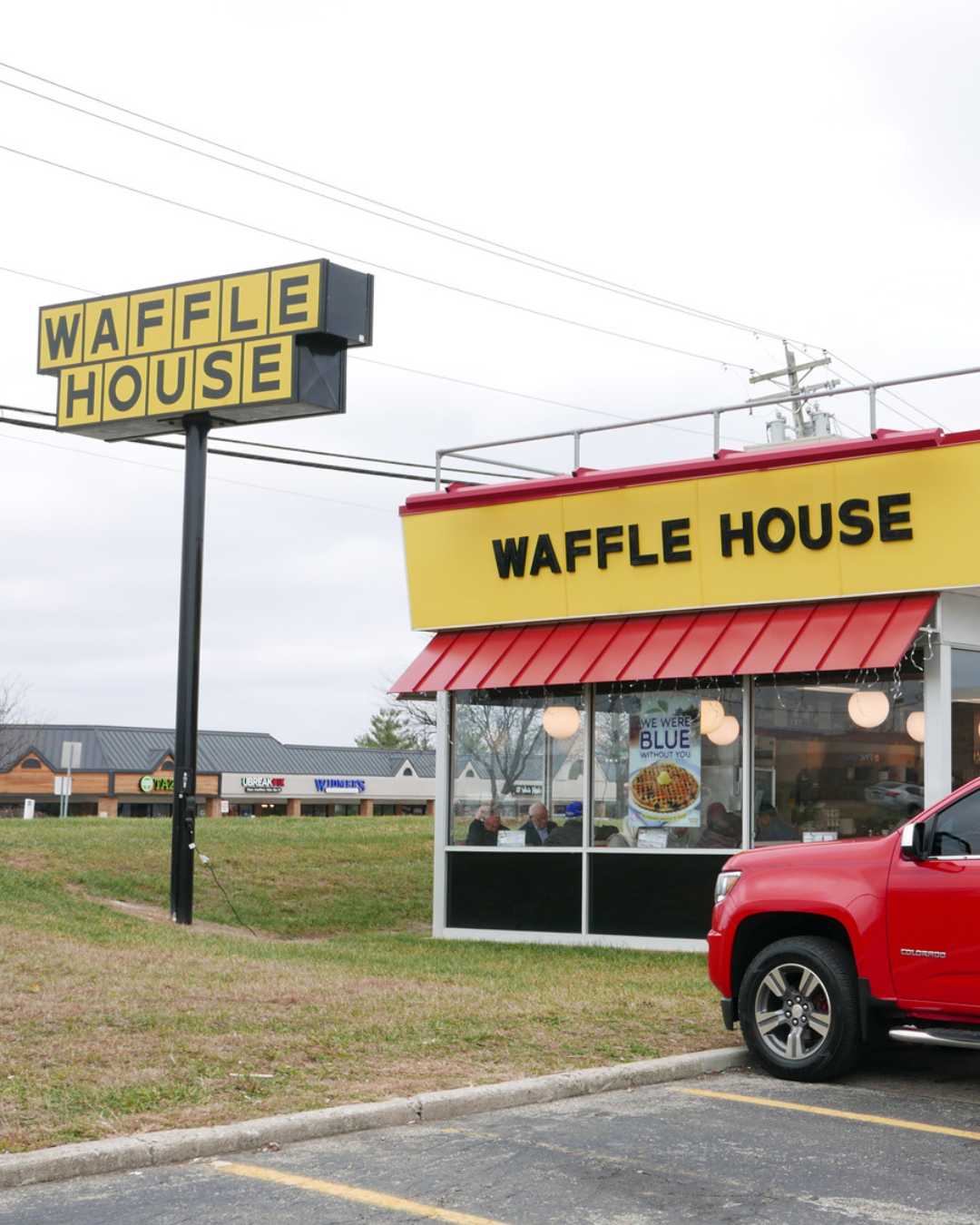
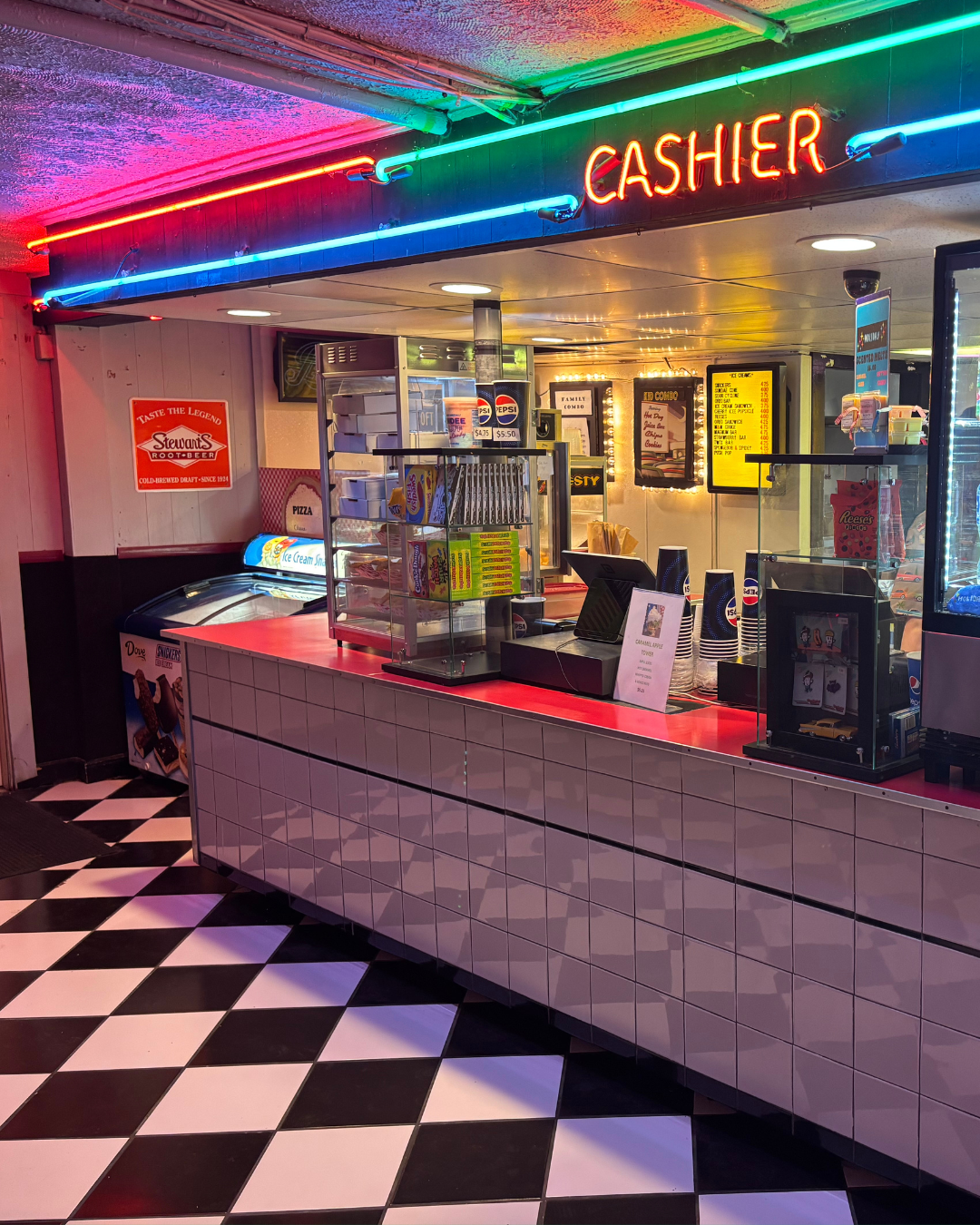
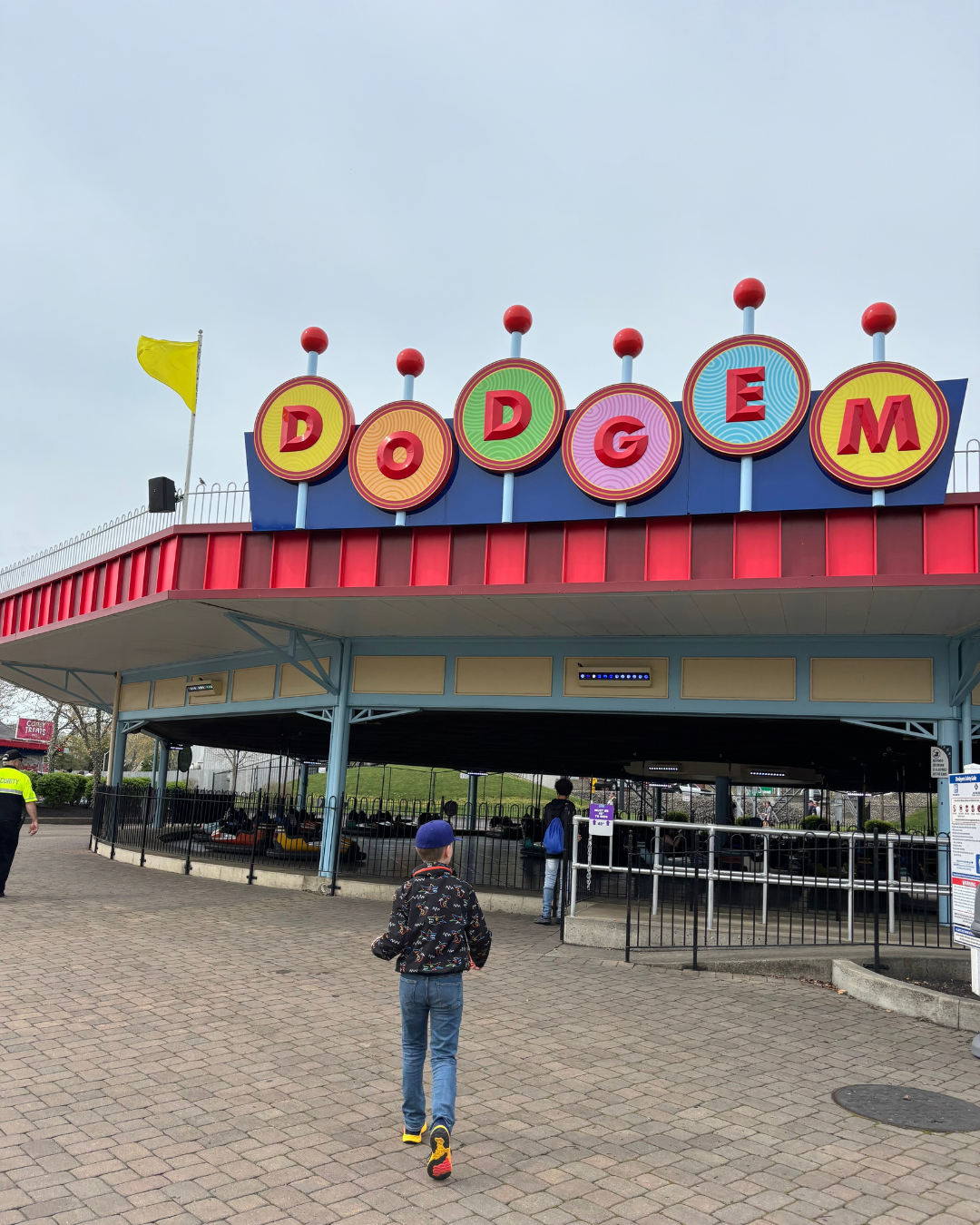
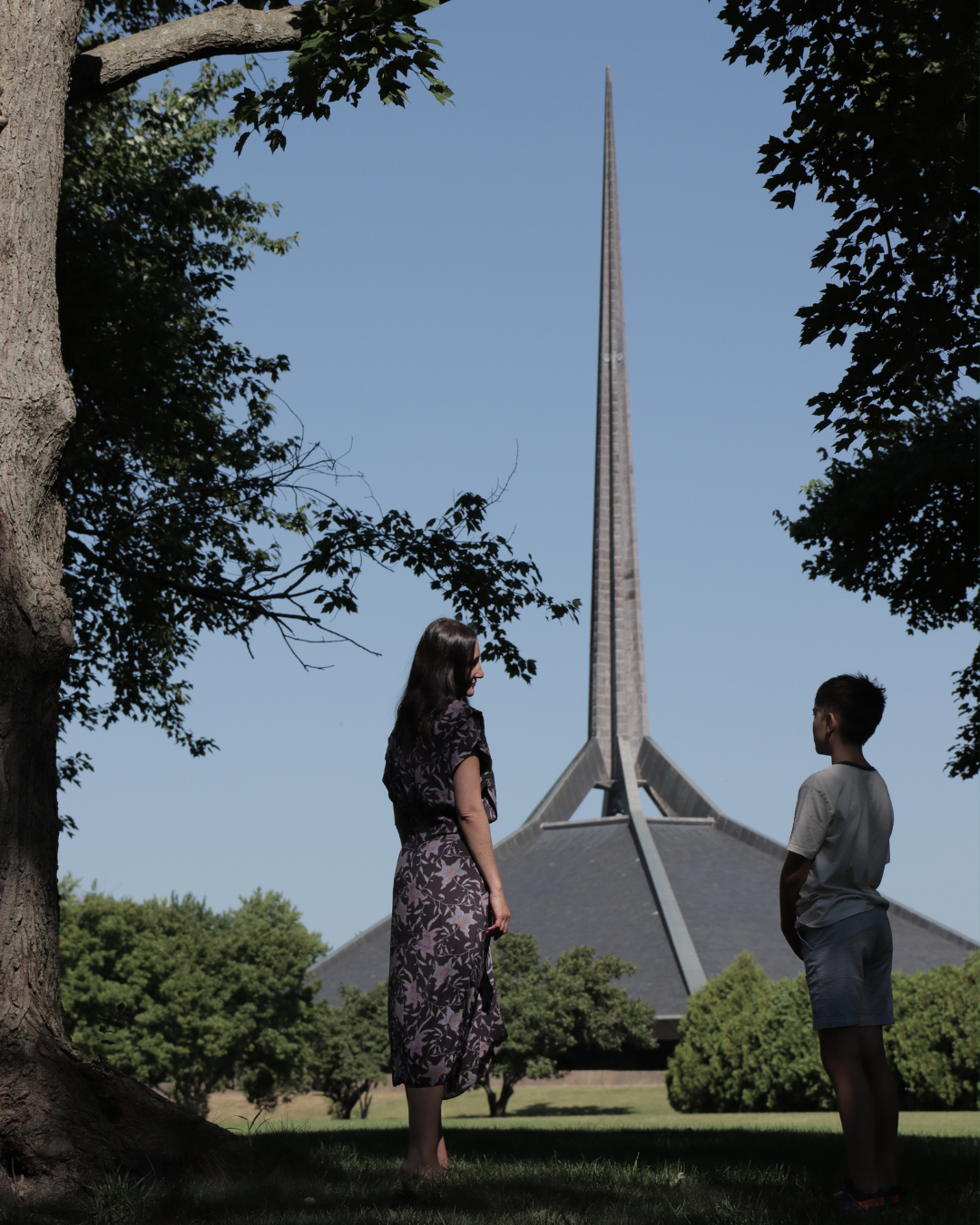
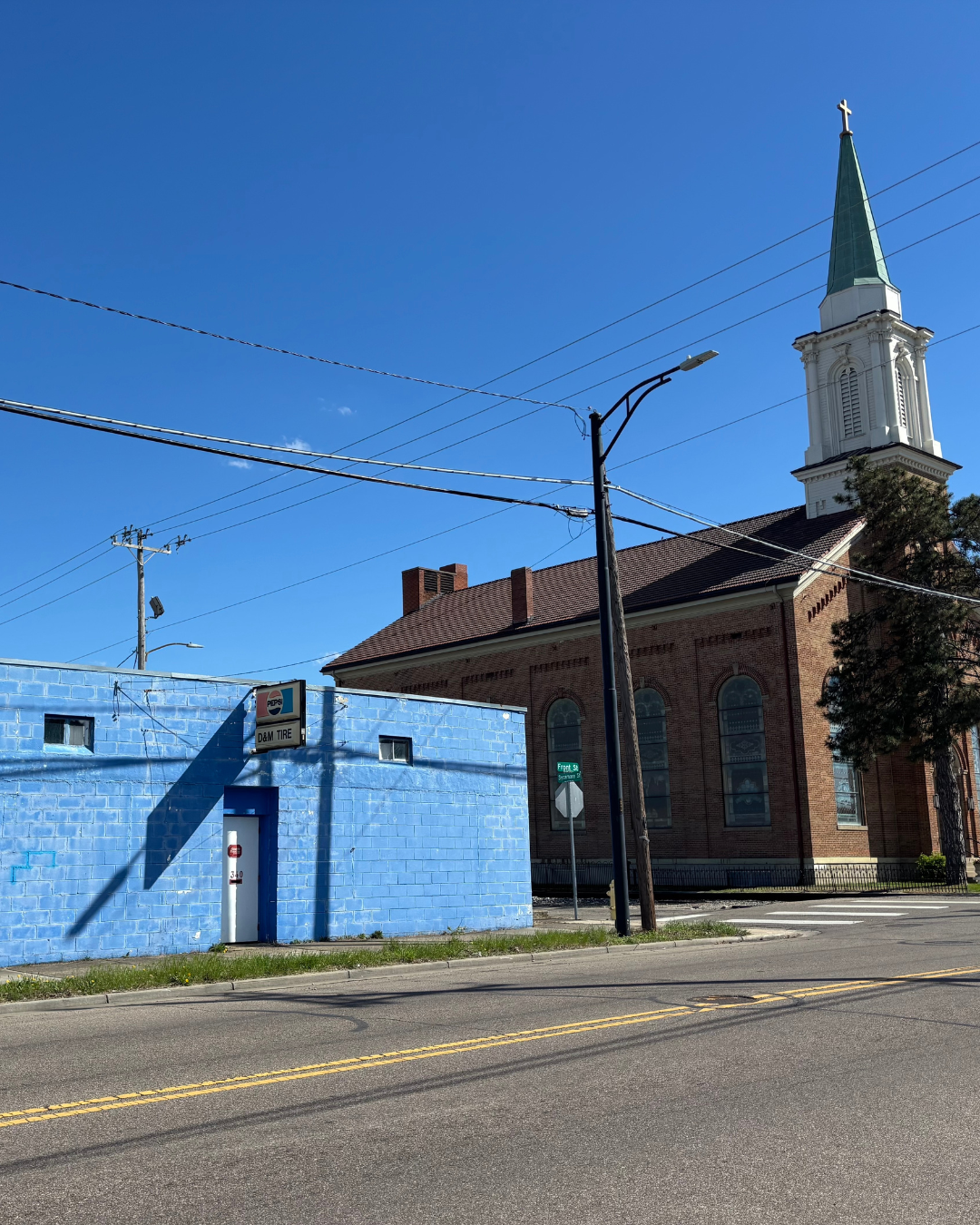
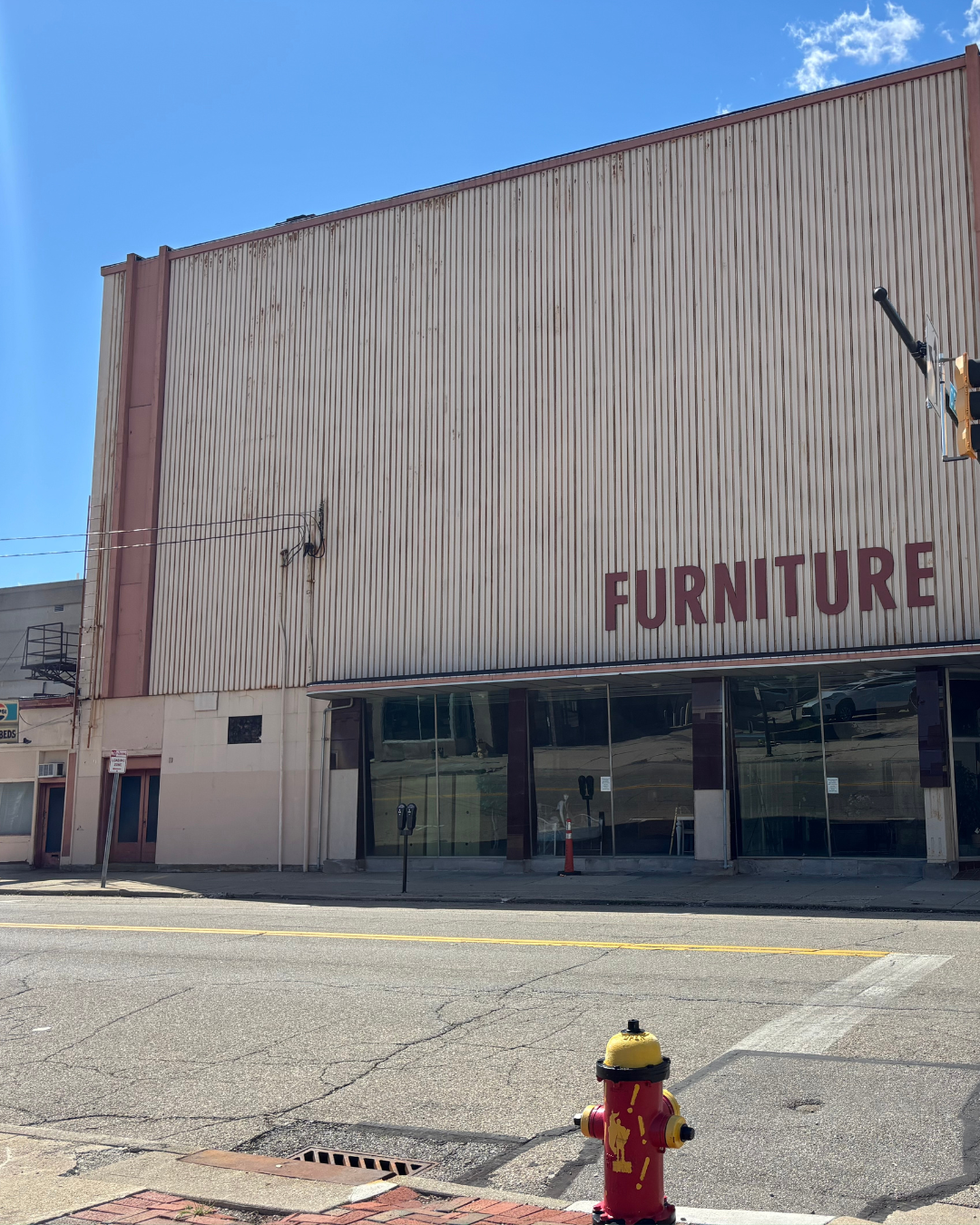
Selected images from my visit to Ohio
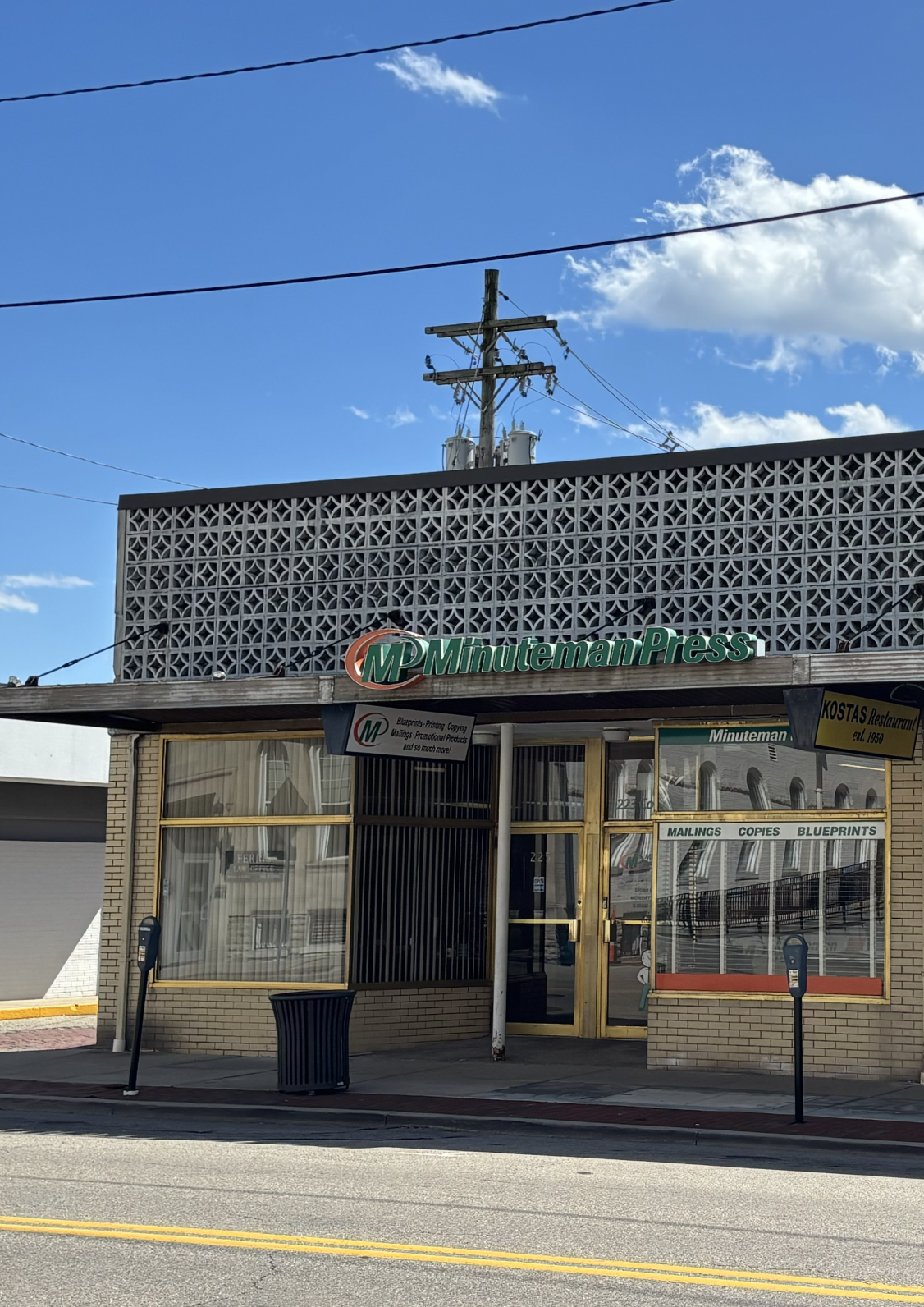
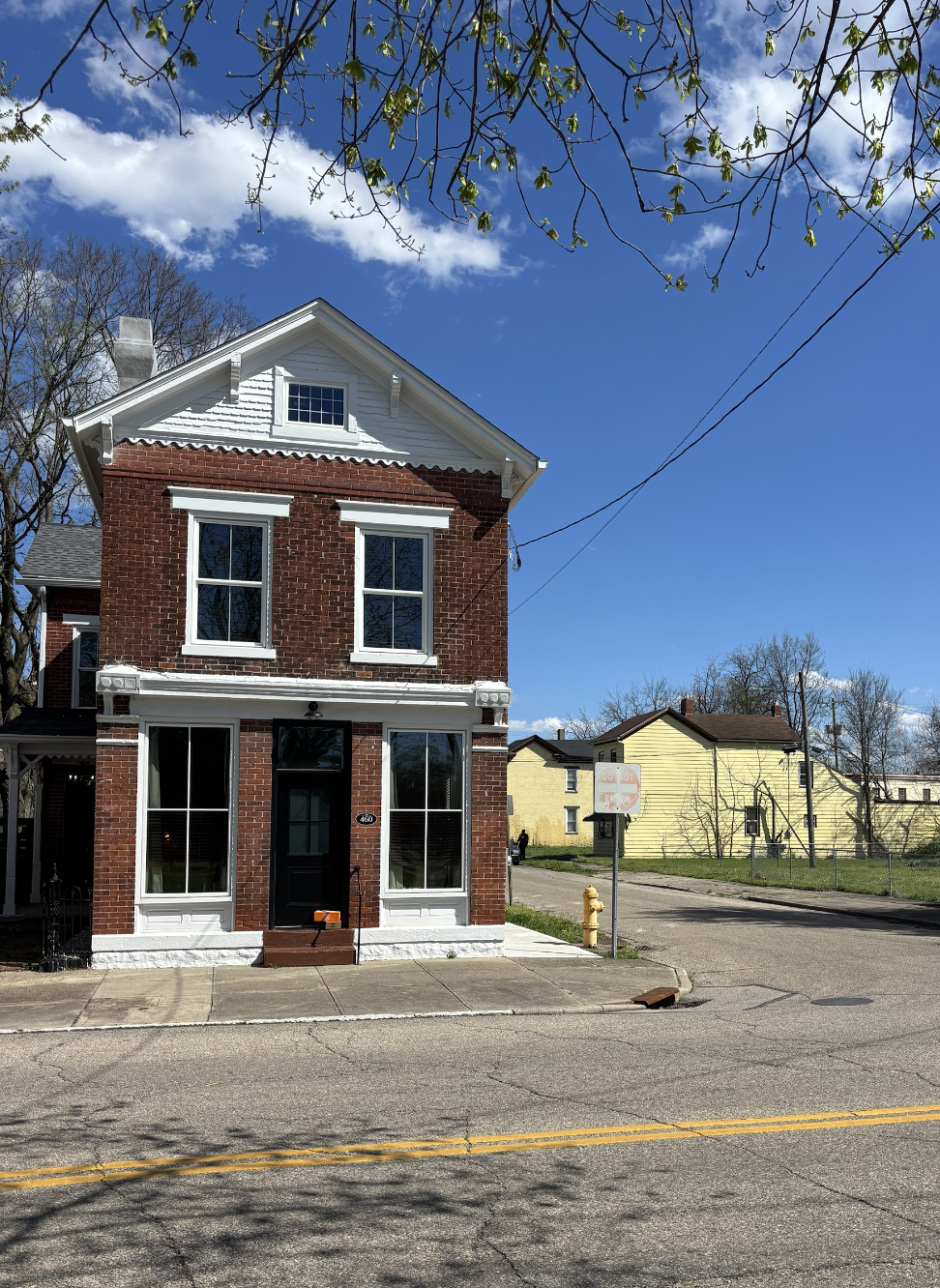
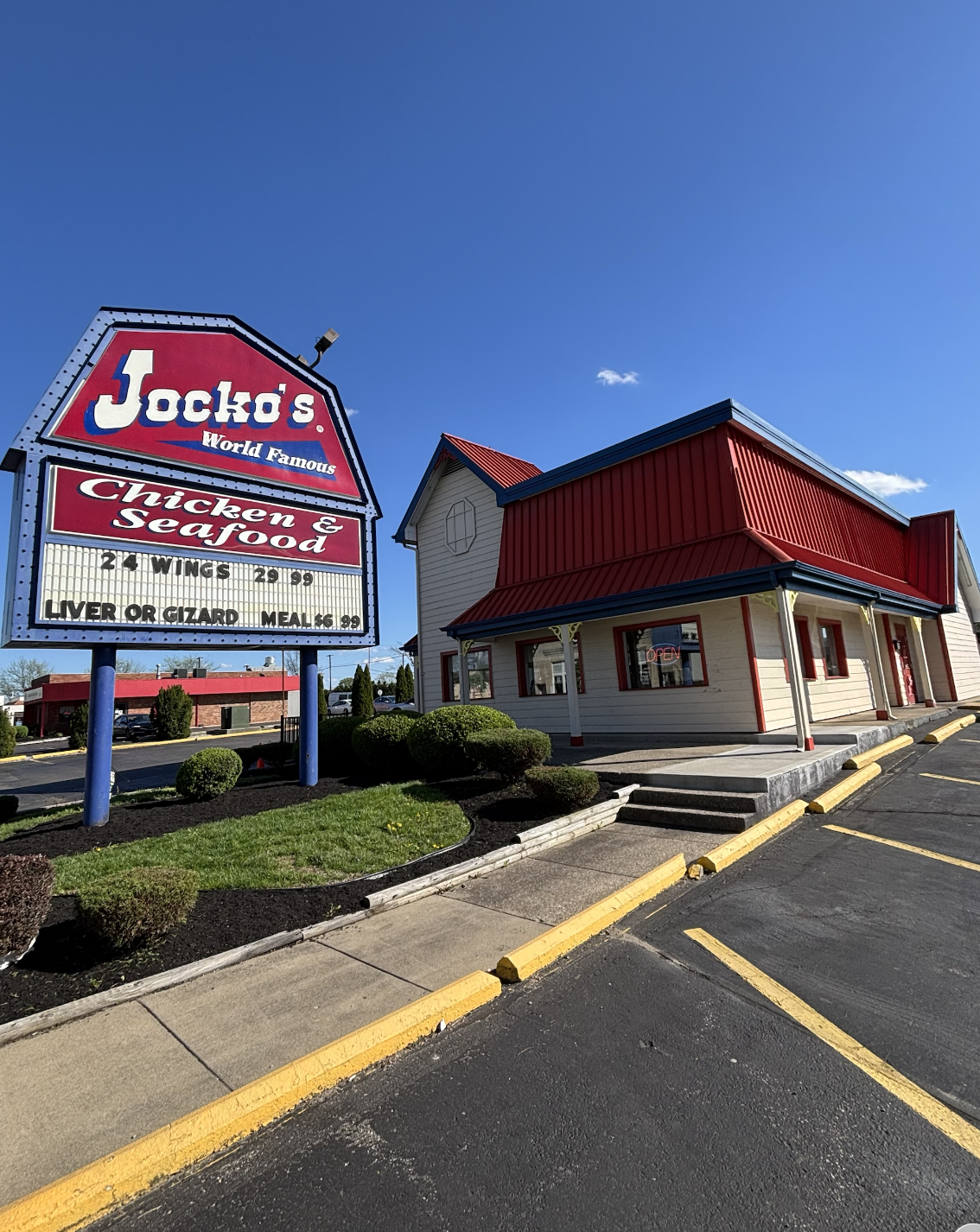
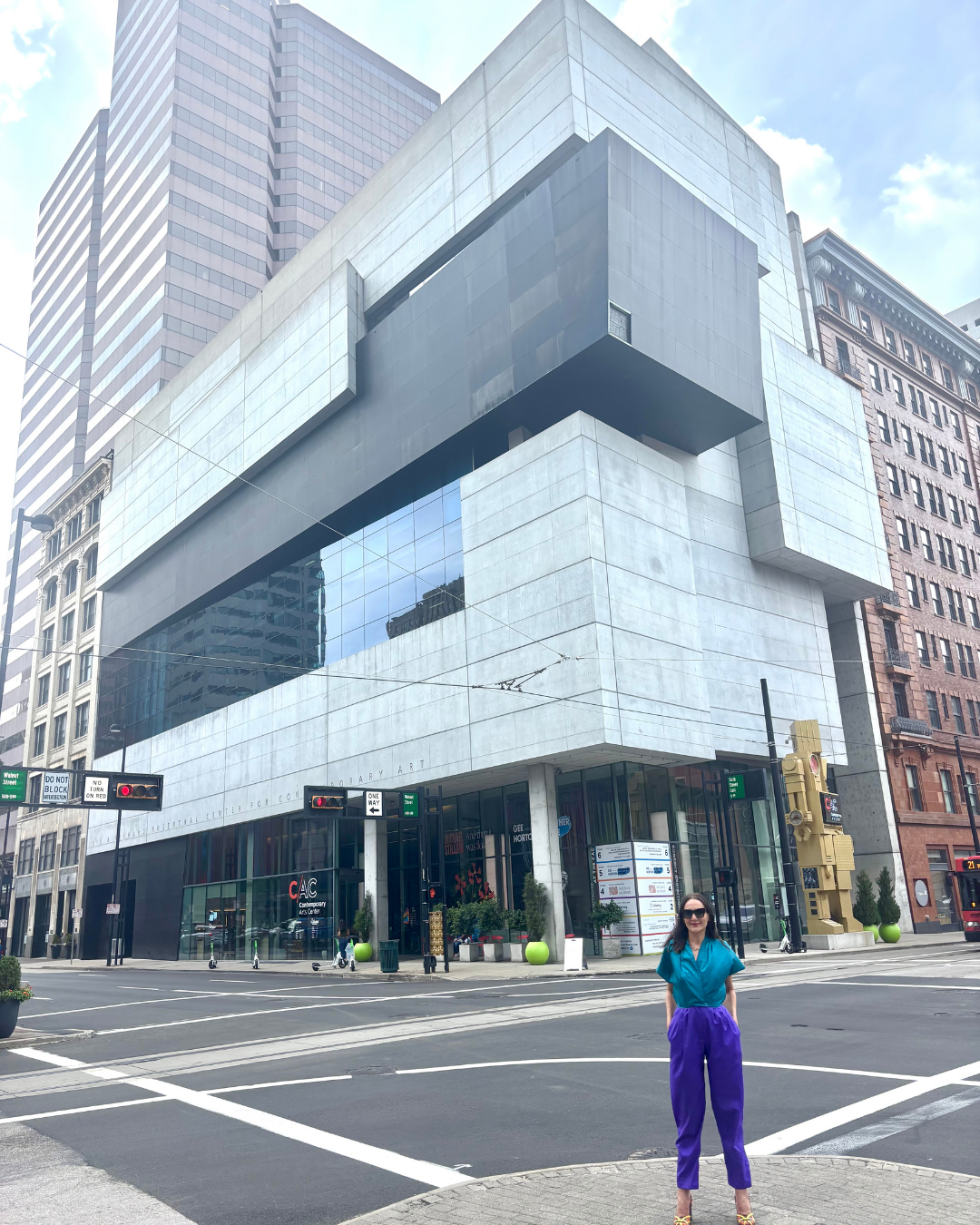
Transkript Bonus Episode IV
I often wonder, how can a city become an architectural surprise? Is it because it attracts architecture aficionados, who are looking for inspiration visiting historically significant buildings of their peers and forefathers? Often these cities are known as a „living museum“ capturing a moment in time, such as seen in the city landscape of Chicago, Gaudi´s Barcelona or the so-called L.A. Ten, a loosely affiliated group of architects who defined the future of Los Angeles architecture. When driving through rural America, the towns are often sleepy, ghostlike and often lack economically viable futures. A sense of wandering…thus leaves much to the imagination…turning into remains of material for telling a story: Endless Landscape. Lost architecture.
But let us rewind for a moment and take our cultural knowledge and perception away from big cities and point our fingers to a town called Columbus in Indiana, which is an “almost unknown” architectural discovery.With a population of just over 50,000, it is one of the smaller cities in Indiana.. that became home to architectural modernist buildings designed by Eliel Saarinen, Eero Saarinen,, Robert Venturi, I.M. Pei and other 20th-century masters. Many of these buildings were commissioned by J. Irwin Miller, a famous patron of modern architecture and the former CEO of the Cummins Engine Company, which is based in Columbus.
Keep driving 1,5h East from Columbus and you will end up in Hamilton, Ohio, this time a “complete unknown” town not filled with architectural masterpieces but with architecture that stays. And isn´t it always the goal of an architect to design a building that lasts? Not much is known of Hamilton, and if I didn’t spend so much time in recent years in Ohio where my husband grew up-., I wouldn’t have made this discovery that adds to my interest in visiting and learning about architecture. Hamilton is located not far from Cincinnati, where Zaha Hadid left her mark completing her first project in the United States, the Lois & Richard Rosenthal Center for Contemporary, which opened in 2003. This landmark project is the first American museum designed by a woman.
But let me pause here, because there’s something I need to say about Hamilton itself. The moment you arrive, you feel it—a kind of temporal suspension. The buildings don’t announce themselves; they simply are. There’s a brick warehouse with windows that catch the light in a way that makes you stop mid-step. A Victorian storefront with details so precise, so intentional, that you realize someone cared deeply about this place once. Cared enough to make it beautiful. And that beauty—it’s not the polished beauty of a landmark city. It’s the beauty of sincerity. Of buildings that were made to last, not to impress. The proportions are right. The materials are honest. There’s a kind of integrity in every corner, every cornice, every shadow. And walking through Hamilton, you begin to understand that architecture isn’t just about shelter or commerce. It’s about presence. It’s about saying: I was here. I built something that matters. And that presence—that quiet insistence on mattering—it fills the streets of Hamilton like a held breath.
Another woman, the American screenwriter and director Kelly Reichardt, gave this small town Hamilton, I keep coming back to and am so eager to talk to you about, its momentum: In her recent film Mastermind, which was considered one of the best films of 2025, she recreated 1970s New England in Hamilton, Ohio, using existing architecture and local landscapes. And the visual language is so rich, so layered. The truth of the story—the incompetence, the desperation, the futility—it’s all there in the images. In the movie, the characters talk about their grand plans, but visually, we see the reality: they’re just fumbling, desperate people. Trying to escape their own reality .And throughout all this chaos, the feeling of escapism from ordinary life, fits beautifully with the architectural landscape and stillness.
In Hamilton the time stands still bathing Architectural buildings in a haunting and cinematic tone that elicits a feeling of a complete loneliness – similar one discovers in Edward Hopper´s paintings or the atmosphere in the films of David Lynch.
Everyday occurrences, real places, fast movements: we build, dismantle and rebuild again, we pursue and we let go. Everything is changing drastically and only a few things remain the same. For me cities like Hamilton, whether we discover them for ourselves, or through cinema, are an important reminder that architecture is an echo of us whether we are standing in front of a Baroque church in Italy, or walking in a rural city..
Kelly Reichardt didn’t make Hamilton cinematic. She revealed that it always was. The loneliness, the stillness, the way light falls on those buildings… a very unique aesthetic atmosphere to discover. And in doing so, she taught us something essential about seeing: not with fresh eyes, but with the eyes we’ve always had, finally paying attention. That’s the real gift of cinema, of architecture, of truly paying attention—sometimes someone else’s eyes help us recognize what we’ve been looking at all this time. We don’t discover these places; we acknowledge them. We honor what they’ve always been trying to tell us. And in that acknowledgment, we find ourselves reflected back in brick and stone and light.“ And I hope that this short introduction and my long fascination with the cinematic landscape of the rural Midwest, particularly Ohio, will draw you to these places and discover the secret language of architecture and be surprised by it.
____
Texts by Esenija Bannan.
Images from our private archives.