Transkript Bonus Episode 8, Rebecca Horn
CD: Rebecca Horn’s second death anniversary approaches. On September 6th, 2024, the great artist passed away. In her memory, we’re revisiting a beautiful statement from the Bastille Interviews of 1993, conducted by renowned art critic Stuart Morgan. The quote is: “There are energies that grab us from out there, pass through us, and then find their way elsewhere.”
EB: What a great quote. Doesn’t everyone know that feeling of being overtaken by some kind of energy? Maybe energy isn’t just physical, maybe it’s also a mood, an emotional expression?
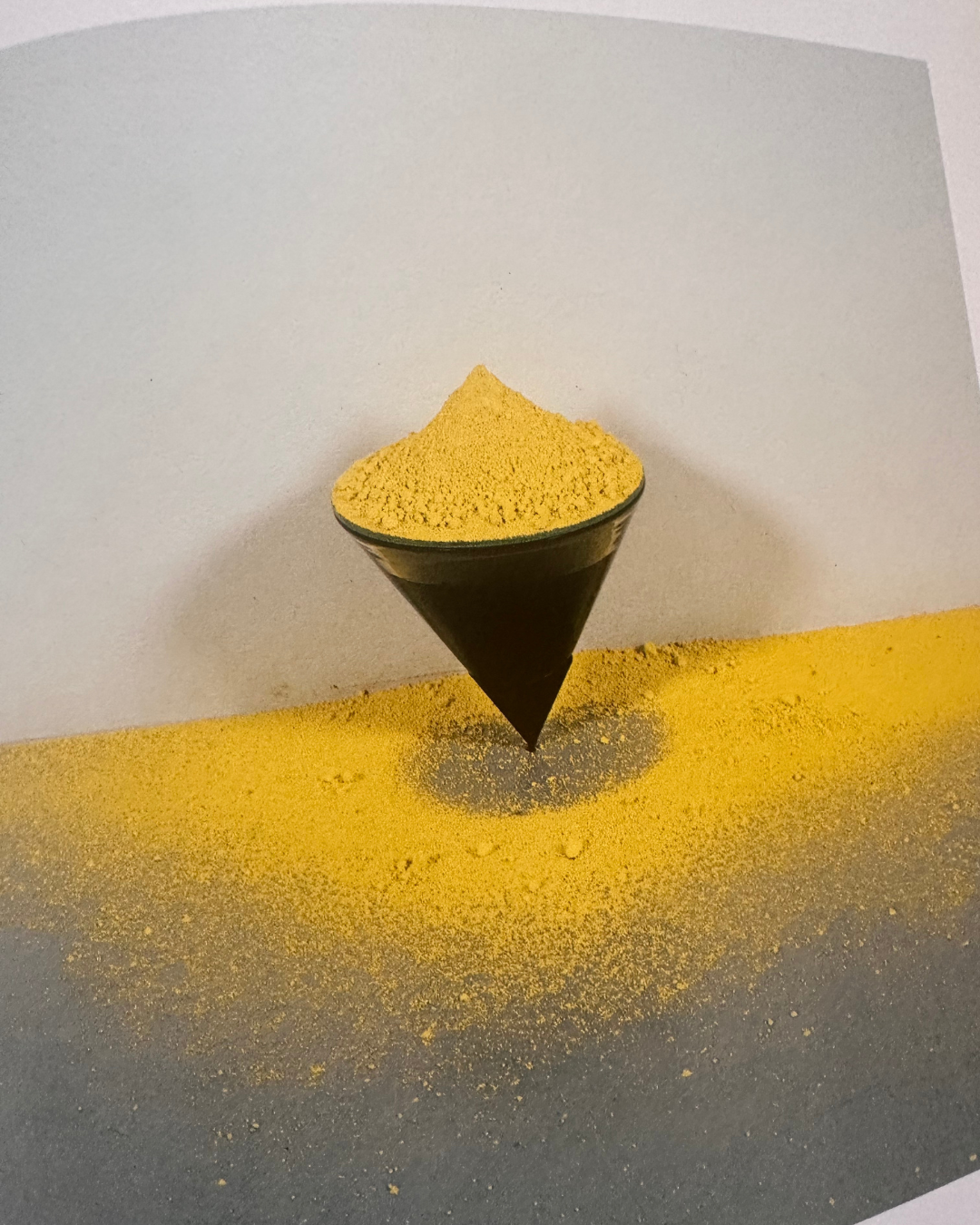
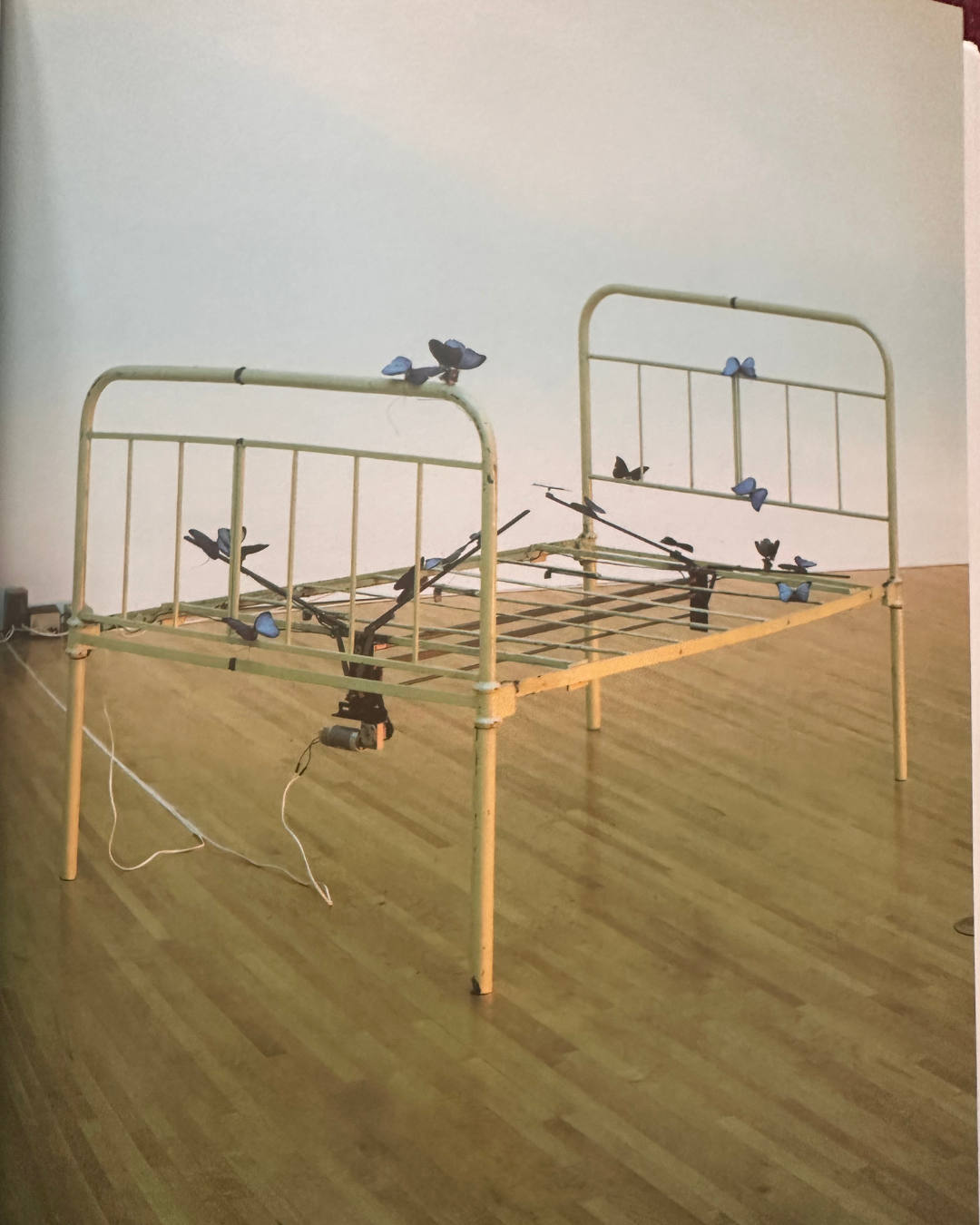
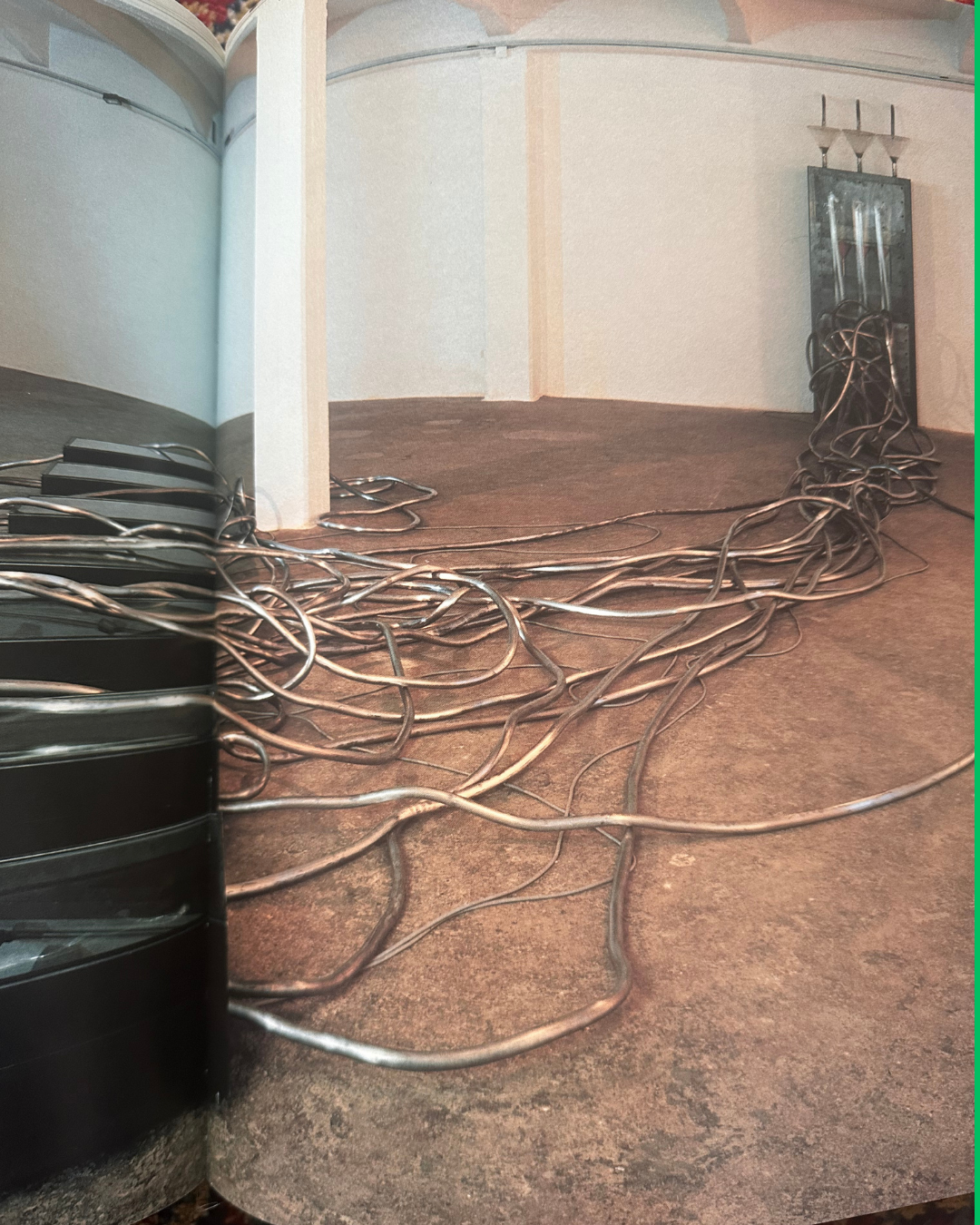
CD: Right. And when you look at Rebecca Horn’s work, you find so many moments where it becomes clear that energy is what she’s really after. In her early works, there are many attempts to harness energies, to pull them out from within herself and give them mechanical form. Once she’s given them form, you can literally grasp the energy. It becomes tangible, becomes something concrete.
EB: So she’s making energy concrete? By translating it into a mechanical medium, making it visible through repetitive movements that we can actually observe?
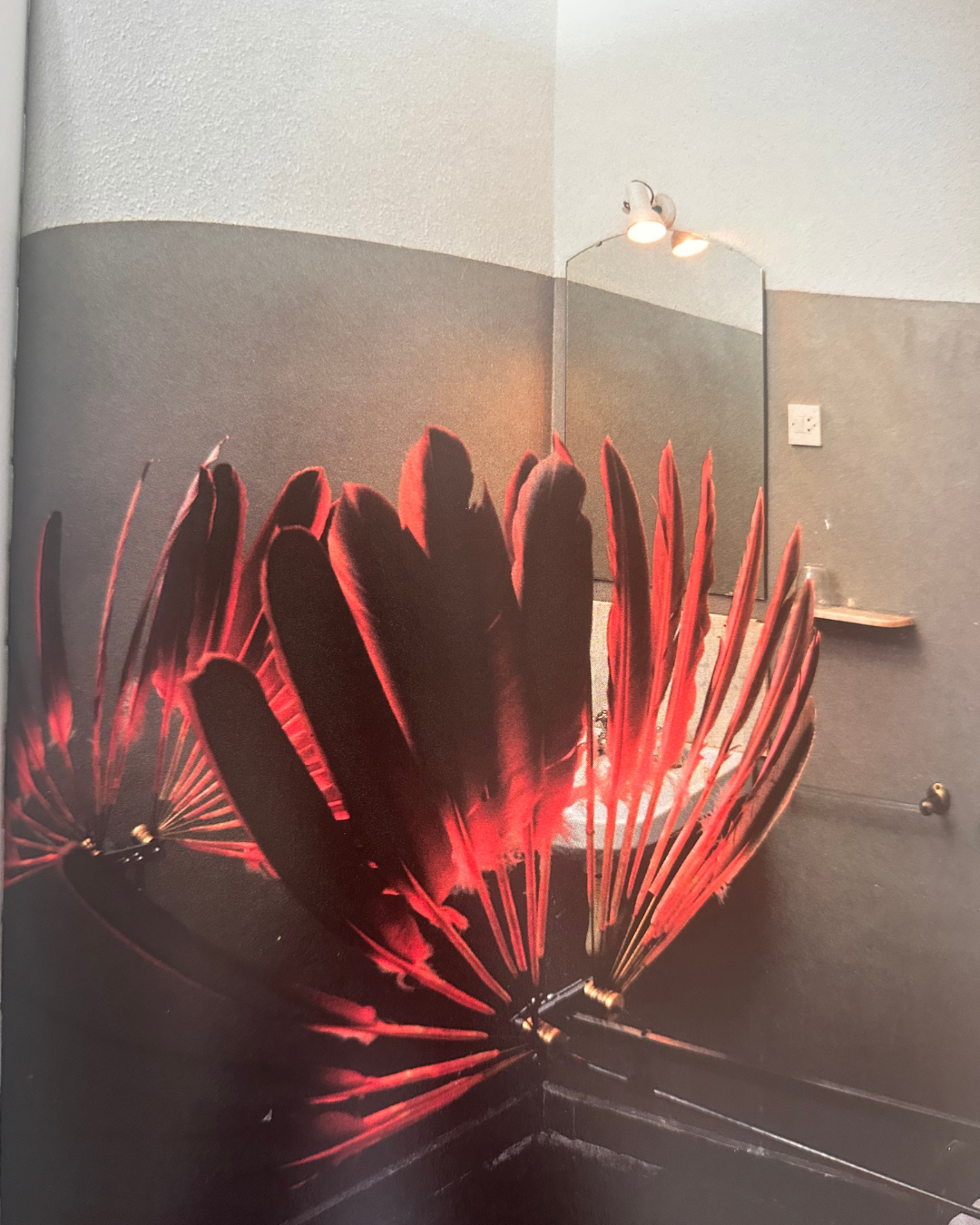
CD: Yes. A perceived energy is initially quite undefined, quite abstract. But Horn was also fascinated by the energy that lives within used objects: a pair of worn shoes, for instance, bearing witness to the presence of their former owner. She even managed to acquire a pair of Buster Keaton’s shoes and used them in one of her installations. Or materials like eggshells, feathers, durable natural products that carry an enduring energy. She returned to these materials again and again.
EB: Eggshells, feathers, hair… they’re all quite robust. They don’t decompose quickly. And when you combine delicate but resilient feathers with mechanical movements – opening, closing, opening, closing – delicacy and technology create something human. Something alive.
CD: There’s something tragic and melancholic about her machines. They don’t look like sleek, high-end technology. When you watch their repetitive movements, you really do see something person-like. Something weary, even exhausted. She said herself that her machines are „melancholic performers in complete solitude.“
EB: I’m in awe of her films. Especially the early performative spatial explorations like Berlin Exercises. When you watch it, you’re witnessing something deeply intimate. The precision isn’t cold or mechanical, it’s almost spiritual. It’s about revealing something true about the body, about desire, about constraint.
CD: Her films and her machines might seem different, but they form a larger whole. I think the shift between different media was perhaps a kind of creative balance for her. She loved cinema and machines because both are ways of expressing something through pure precision. Through control. Through the exact orchestration of time and space.
EB: That’s it, the way something moves, the way something sounds, the way something looks. That’s everything.
CD: And that transcends the difference between film and sculpture, between the body and the machine. It’s about a way of seeing, a way of making, a way of being in the world.
EB: Precisely. Her machines have a lifespan, just like we do. And they’re not perfect. They tremble, they shake, they creak. They have a lifespan. But when you hold that quote in your mind: ”There are energies that grab us from out there, pass through us, and then find their way elsewhere.”, and you look at her installations, you can really imagine what kinds of energies are at work. So many associations emerge.
CD: The circling around energy as an important artistic element. It sounds deeply psychological too. Isn’t it also about interpreting subtle bodily signals, about emphasizing the mind-body connection? The perception of energy describes the ability to unconsciously absorb information from the environment or from other people and interpret it energetically.
EB: Or simply: a particular form of sensitivity? Fine perception? „Energies grip. Pass through. Find their way“—I can immediately know what that means. I feel it.
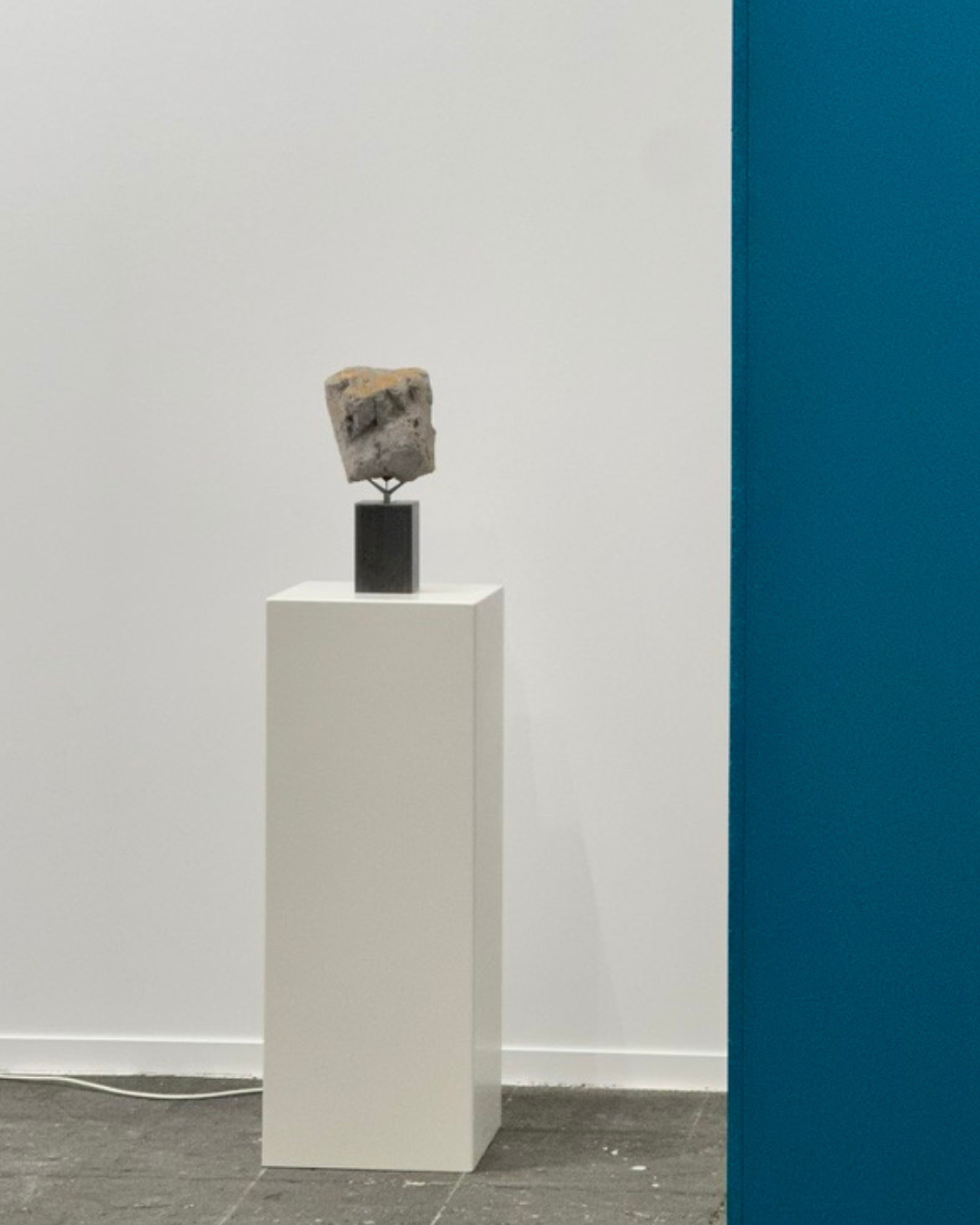
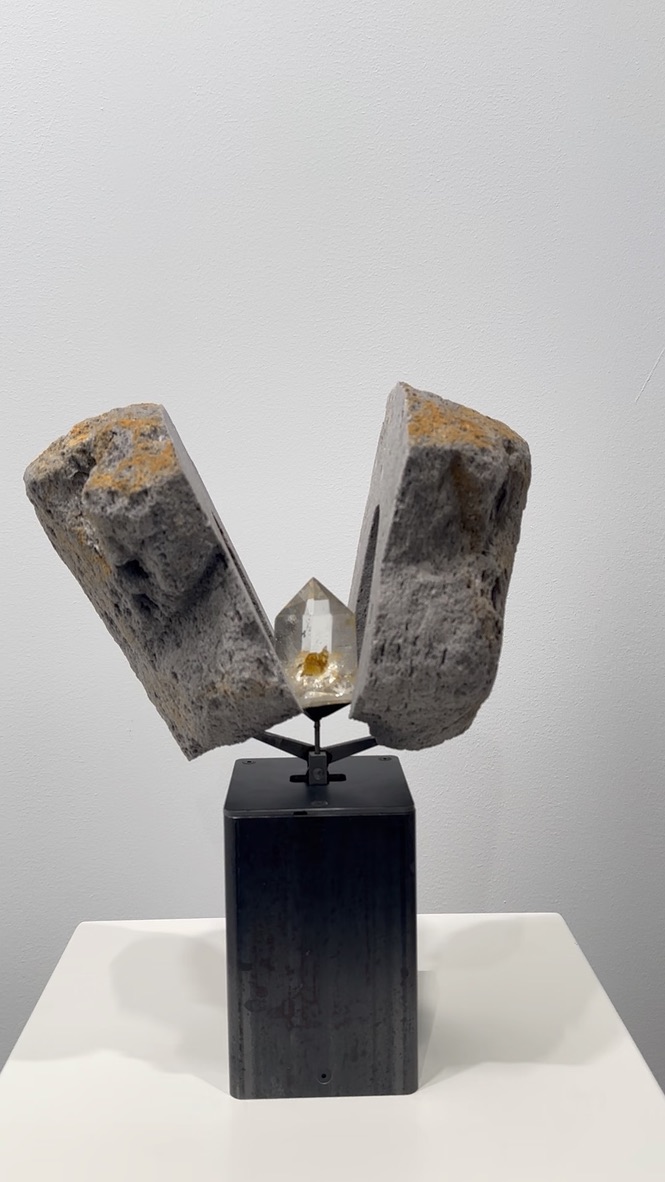
CD: Do you remember the works we saw at Frieze in London last year by the emerging artist Lara Fluxa? I see some interesting resemblances, actually.
EB: Maybe because Fluxa is also working with that same understanding, that precision and fragility, precision and emotion, are not opposites. They’re the same thing. The glass is precise and fragile. In Fluxa’s, and of course, very much in Horn’s work, the water is precise and fluid. And that precision is what makes the work so moving.
CD: “There are energies that grab us from out there, pass through us, and then find their way elsewhere. Maybe this also has to do with a conviction, some sort of universal trust in fate, that things fall into place?
EB: Or perhaps it’s about surrender. Not passivity, but a kind of openness. Allowing something to move through you, to use you as a channel, and then letting it find its own destination. That’s what Horn’s art teaches us. That’s her gift.
CD: That’s her gift. Energies grip. Pass through. Find their way. And so do we. In Rebecca Horn’s memory.
EB: You’ve been listening to Art Unquoted.
____
Texts by Charlotte Desaga.
Images from our private archives.

 Available on Apple Podcasts & everywhere else — or right here ↓