Art Unquoted Notes
A personal essay by Esenija Bannan
Before Bukhara became an international art destination, there was another biennial in Uzbekistan, one that ended without warning. In this bonus episode, host Esenija Bannan shares a personal story: her return to her homeland after 24 years, and what happened when the spectacle suddenly collapsed. A story about art, power, and what persists when everything else disappears.
 Available on Apple Podcasts & everywhere else — or right here ↓
Selected images from the archives
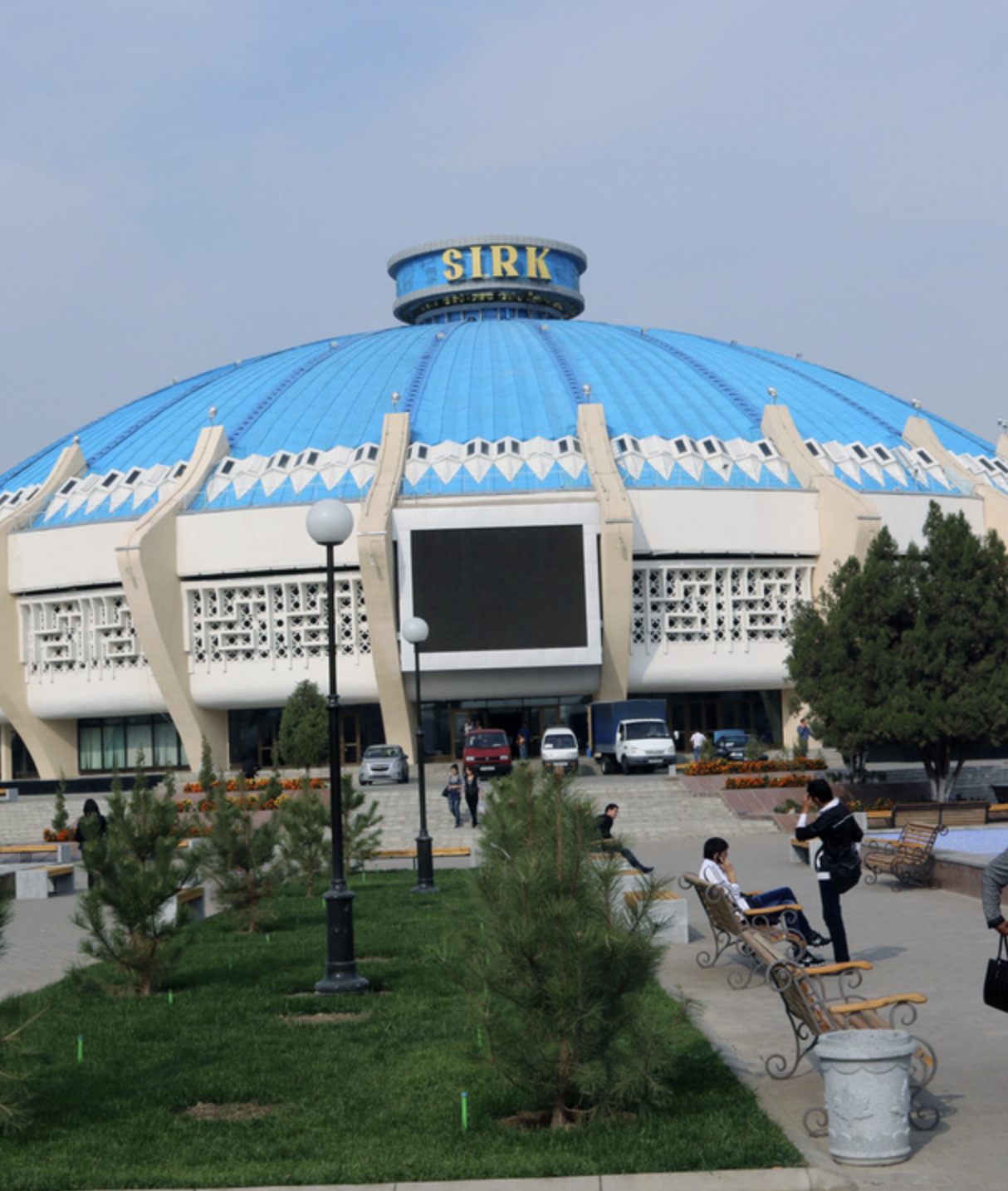
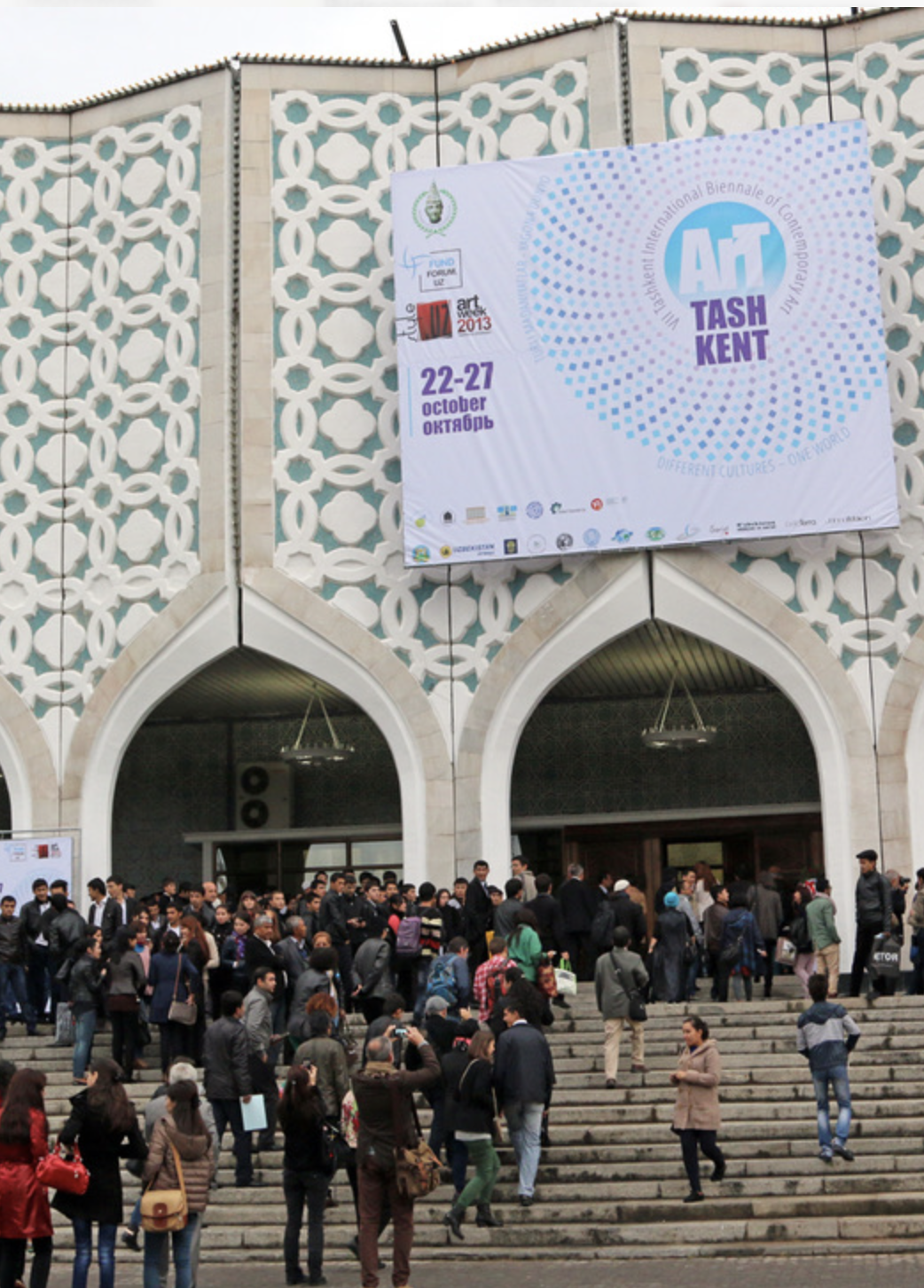
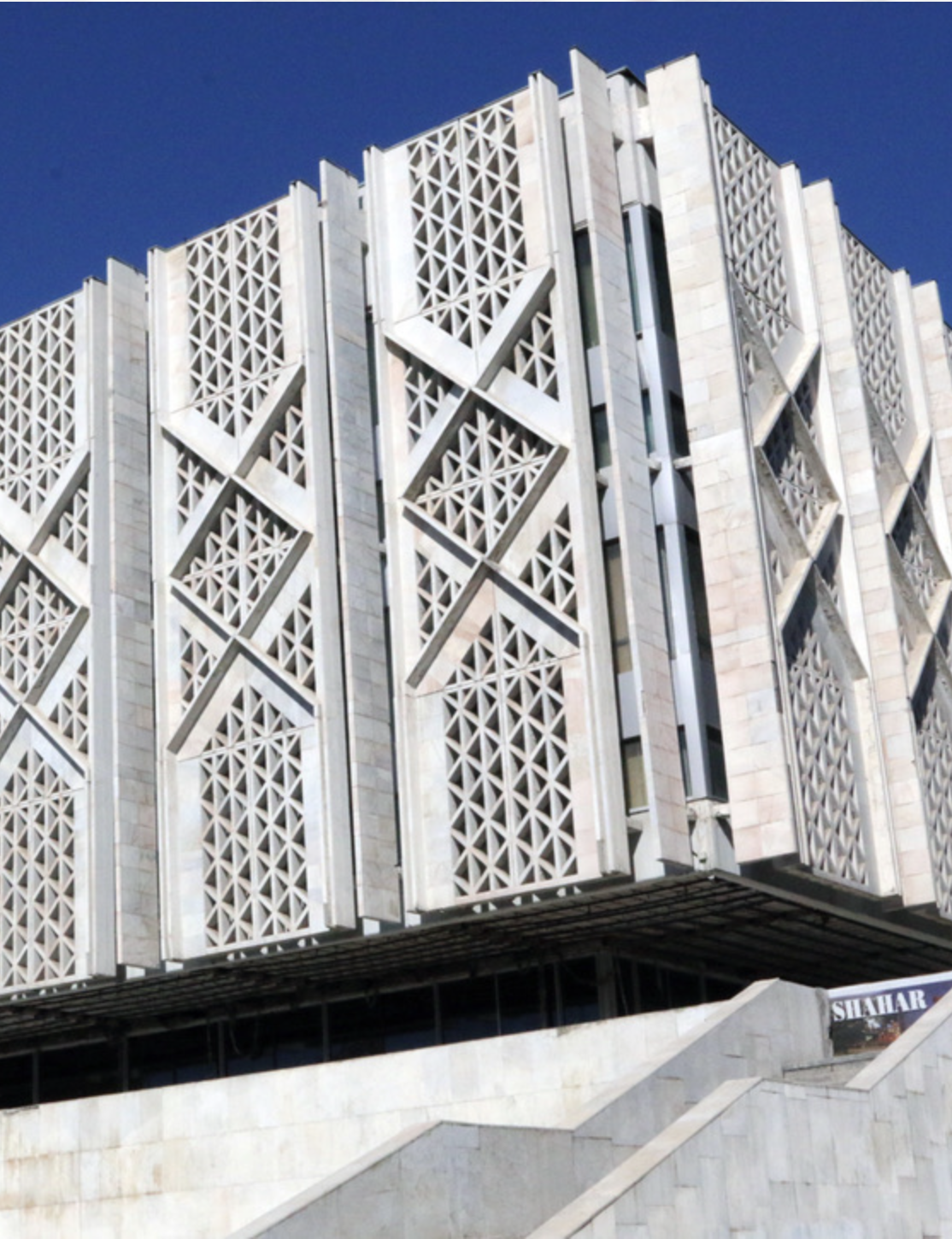
Transkript Uzbekistan
Im Esenija Bannan and this is a Bonus Episode of Art unquuoted Podcast.
Over the course of last year (in 2025), I came across many themes and quotes celebrating the inaugural Bukhara Biennial (from September until November), themed „Recipes for Broken Hearts,“ which generated significant hype as this major cultural event, transforming the UNESCO city into a contemporary art hub. The Bukhara Biennale, curated by the US-American Diana Campbell and produced by the Uzbekistan Art and Culture Development Foundation, showcased more than 70 site-specific works in historic caravanserais and madrasas.
Many online articles such as Art Review published on May 29th 2025, wrote: Uzbekistan will be launching Bukhara Biennial, the country’s first international biennial.
Hype Art announced on their blog on September 2024
Uzbekistan to Launch Its Own Art Biennial in 2025
In anticipation and while reading (and being asked) about Uzbekistan´s first international biennial: I had to take a pause: Is it really the “first” and its country’s “own” Biennale? Or the country’s first major international art show as many are talking about it.
Questions arose: How does the contemporary movement of art being showcased in Uzbekistan and how will it echo abroad? And although I couldn´t attend the Bukkara Biennale, I was compelled to share an encounter- of “another” biennale in Uzbekistan; not only as someone who was born and raised in Uzbekistan until the end of 1989, but as an observer, curator and broadcaster.
(For those who are unfamiliar with Uzbekistan: It is a country that has a rich 2,500-year history as the heart of the ancient Silk Road, with cities like Samarkand and Bukhara. It was ruled by Persian empires, Alexander the Great, and Genghis Khan, it became a hub of Islamic culture under the Timurids. Following Russian conquest in the 19th century and Soviet rule, it gained independence in 1991 with its first president Islam Karimov until his passing in 2016. Uzbek is the language spoken by Uzbeks, Russian language is the country’s second official language).
Growing up in a place of contradictions: I attended the Pyotr Ilyich Tchaikovsky music academy while studying Karl Marx and Vladimir Lenin at school.
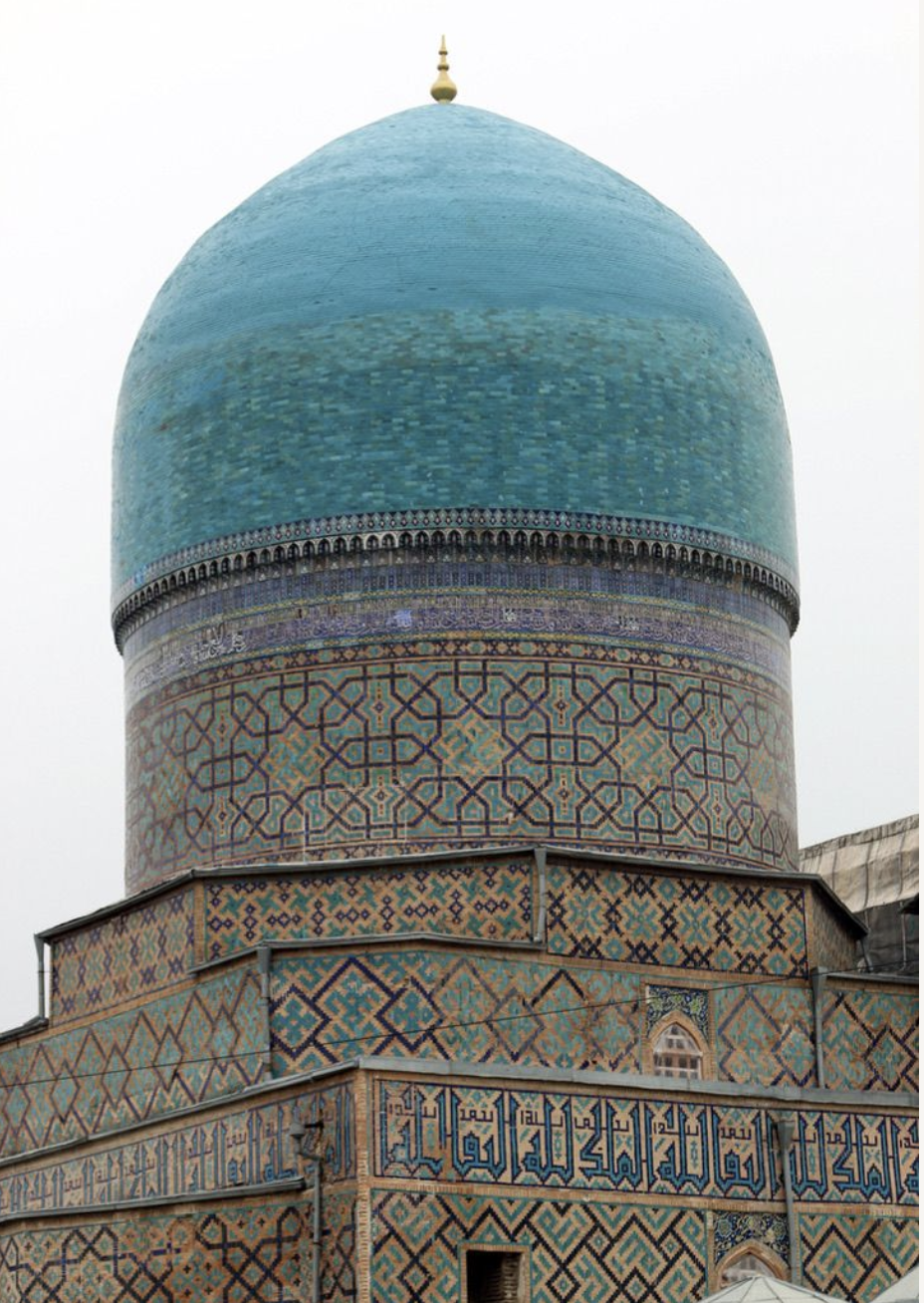
I walked through the ancient architecture of Samarkand and Bukhara as a child.
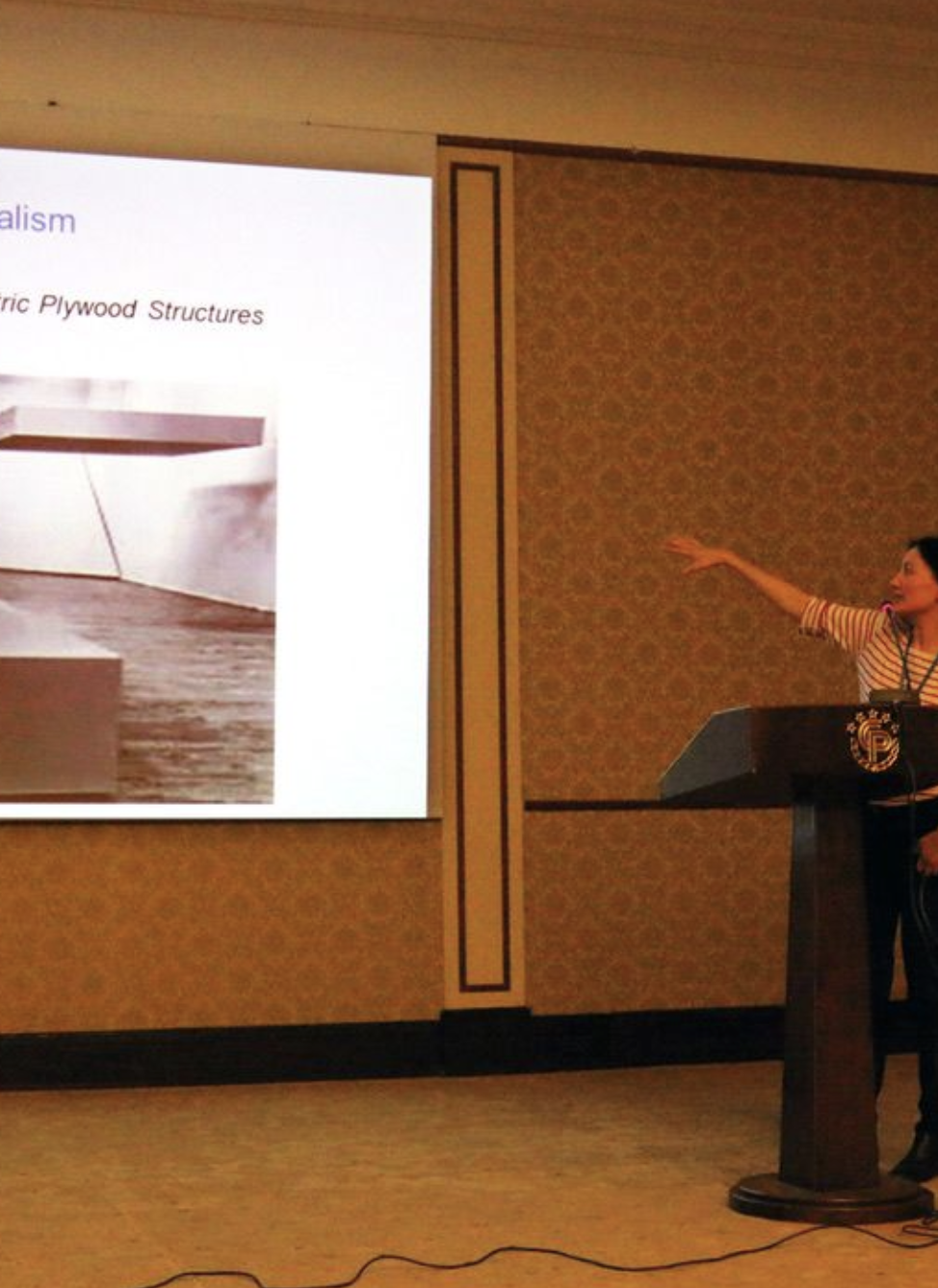
Then my family moved to Germany, and I left that childhood behind. For decades, I didn’t return. But in October 2013, I received an invitation to speak at the Seventh Tashkent International Biennale of Contemporary Art. After nearly 24 years, I was going home.
The 2013 Biennale was extraordinary. The Style.Uz Art Week, organized by Gulnara Karimova—the daughter of then president Islam Karimov—was unlike anything I’d experienced.
Artists were accommodated in the Uzbekistan Hotel. We had interpreters, chauffeurs…A vibrant program day in day out was taking place with back to back openings and site visits.
Every morning a bus was waiting where we were escorted to the art openings or galas, followed by police security, who often would stop traffic in order for us to arrive at our next destination swiftly.
The program extended to visit the historical Registan Square in Samarkand and attend the press conference with international fashion designers, actors and cinematographers. Gulnara Karimova being the important participant (and host) sitting in the centre of the elongated table placed on a stage.
The conference-message had little to do with the more complex reality in Uzbekistan. Everyone was polite and quiet: the journalists, the participants and the interpreters.
All quite spectacular!!!!?… Until one morning, there were no interpreters waiting gleefully in the hotel lobby, no chauffeurs sitting smoking cigarettes in their cars and no buses waiting patiently outside the hotel. For a brief moment, a collective silence…, before the panic arose artists trying to figure out how to get the artworks safely “back home.”
As it naturally happens, over the course of that week, relationships with other artists were made, and as the situation remained unclear, I was asked to help them in sorting “things” out due to the language barrier. When speaking to the hotel staff or anyone, whom I have corresponded with before, I was simply ignored, or put it humorously: The moment the hotel staff saw me approaching the helping desk, they disappeared in vapor. I felt that I was a spectator on the edge of the spectacle.
One of my Uzbek family members, who lived in Tashkent and spoke Uzbek, helped to arrange that the concerned artists would have their artworks returned safely to their home countries. We didn’t understand what had happened until we returned home. Me in Berlin, the other artists scattered across the world.
Then we saw the news: Gulnara Karimova had been placed under house arrest, allegedly by her father.
The sudden silence, the disappearance of infrastructure, the collective amnesia
it all made sense now. The biennale hadn’t ended. It had been erased.
The 2013 Biennale taught me something about the fragility of cultural exchange. But it also taught me something about resilience. Because despite the rupture, despite the political drama, the art remained. The conversations happened. The connections were made. They couldn’t erase that.
Perhaps that’s what we need to remember: Art persists. Stories persist. Even when the spectacle collapses, even when the interpreters disappear, the work endures. And when we return—whether to a place or to a memory—we bring our own plurality with us. We become the bridge between what was and what might be.
Uzbekistan opened a window for me twice. Once as a child, and again as an adult. The window closed, then opened again. An encounter I wanted to share with you.
Thank you for listening.
____
Voice & text by Esenija Bannan.
Images from private archives.