An Art Unquoted bonus episode by Charlotte Desaga
The V&A East Storehouse in London houses a quarter million objects in a revolutionary new museum model. Visitors can browse freely, select what interests them, and examine it up close. But this radical democratization raises a crucial question: when we abandon the curator’s guiding hand, are we truly expanding our horizons? Or just consuming more of what we already want to see?
 Available on Apple Podcasts & everywhere else — or right here ↓
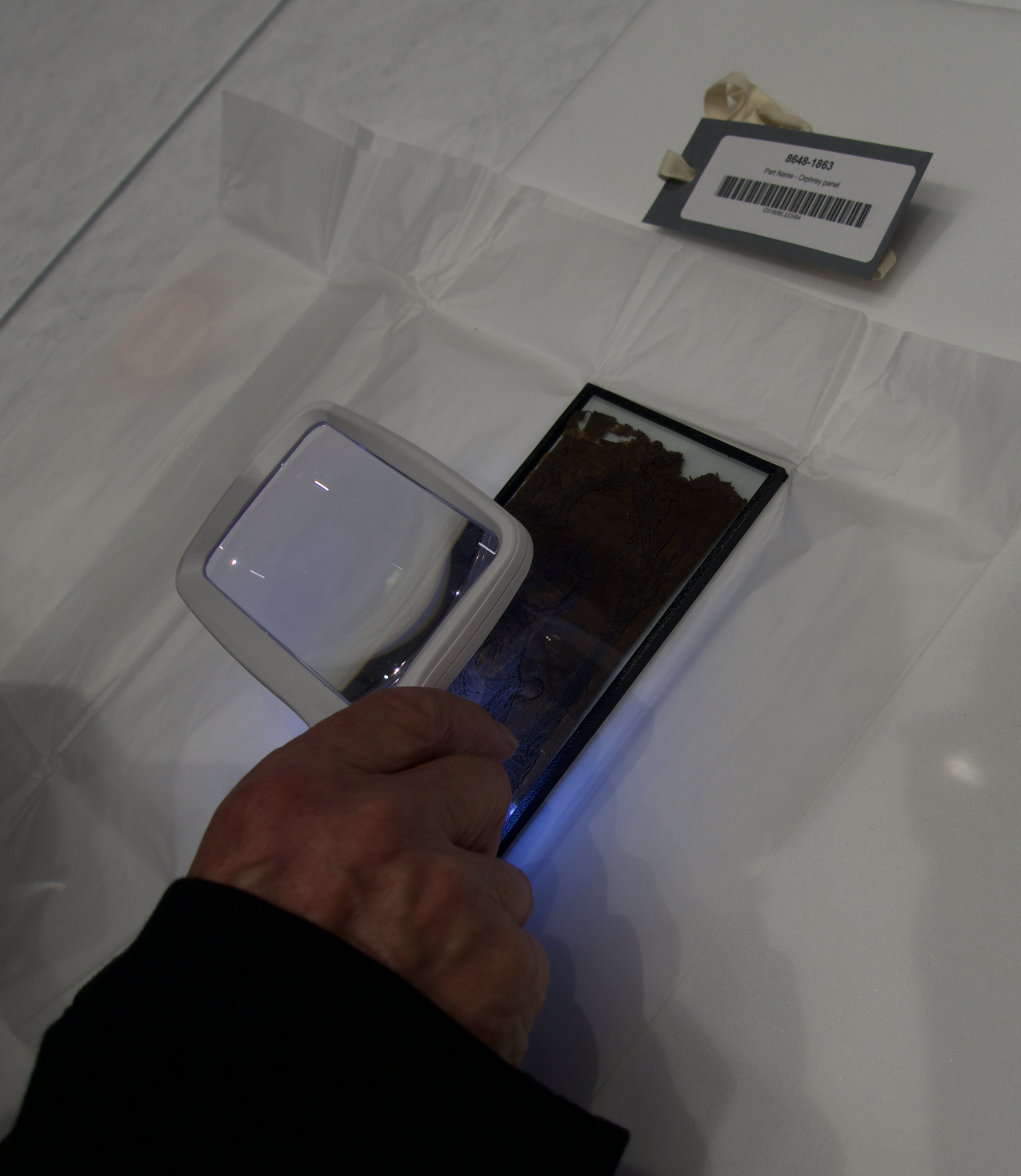
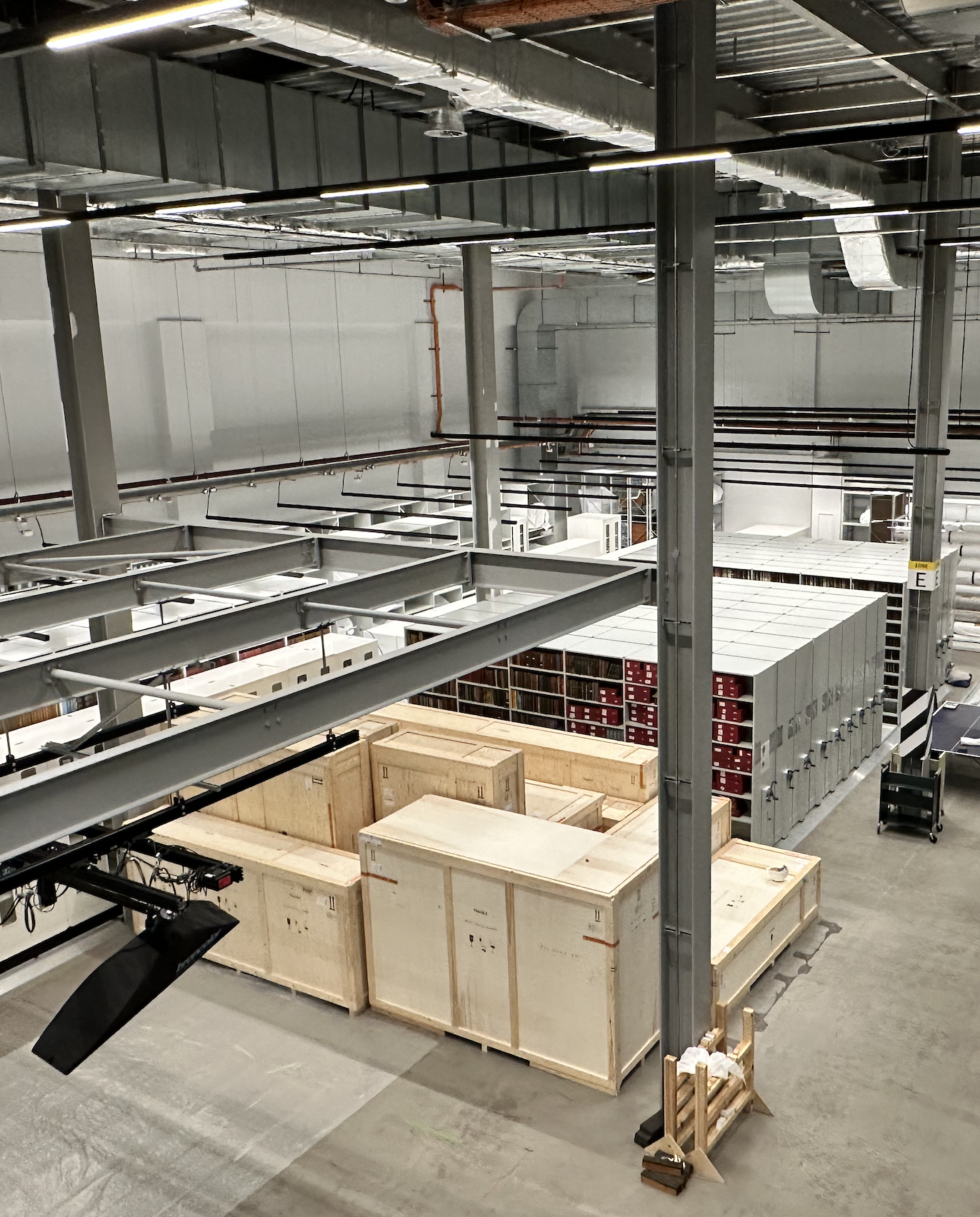
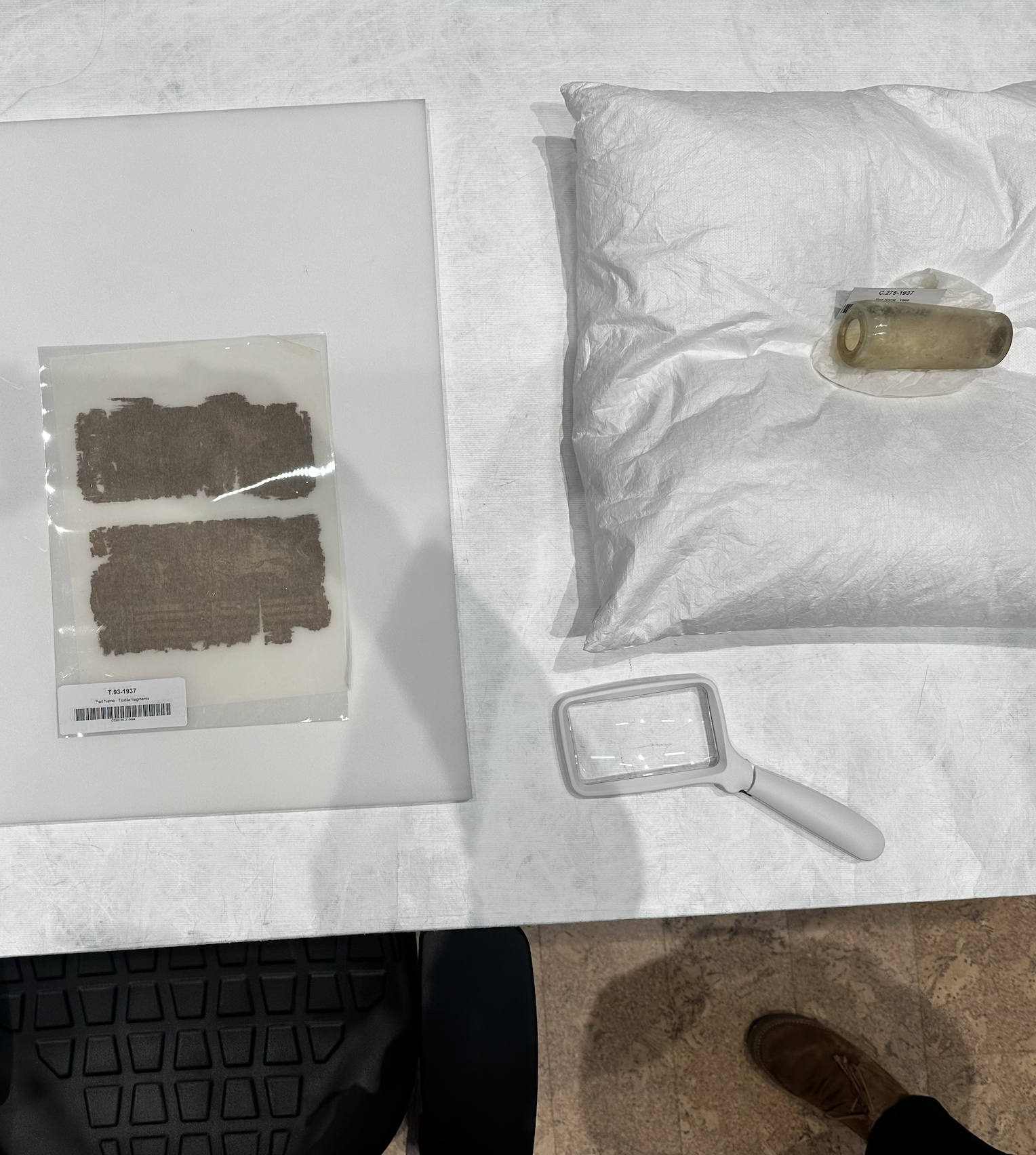
Selected images from my visit to the V&A Storehouse
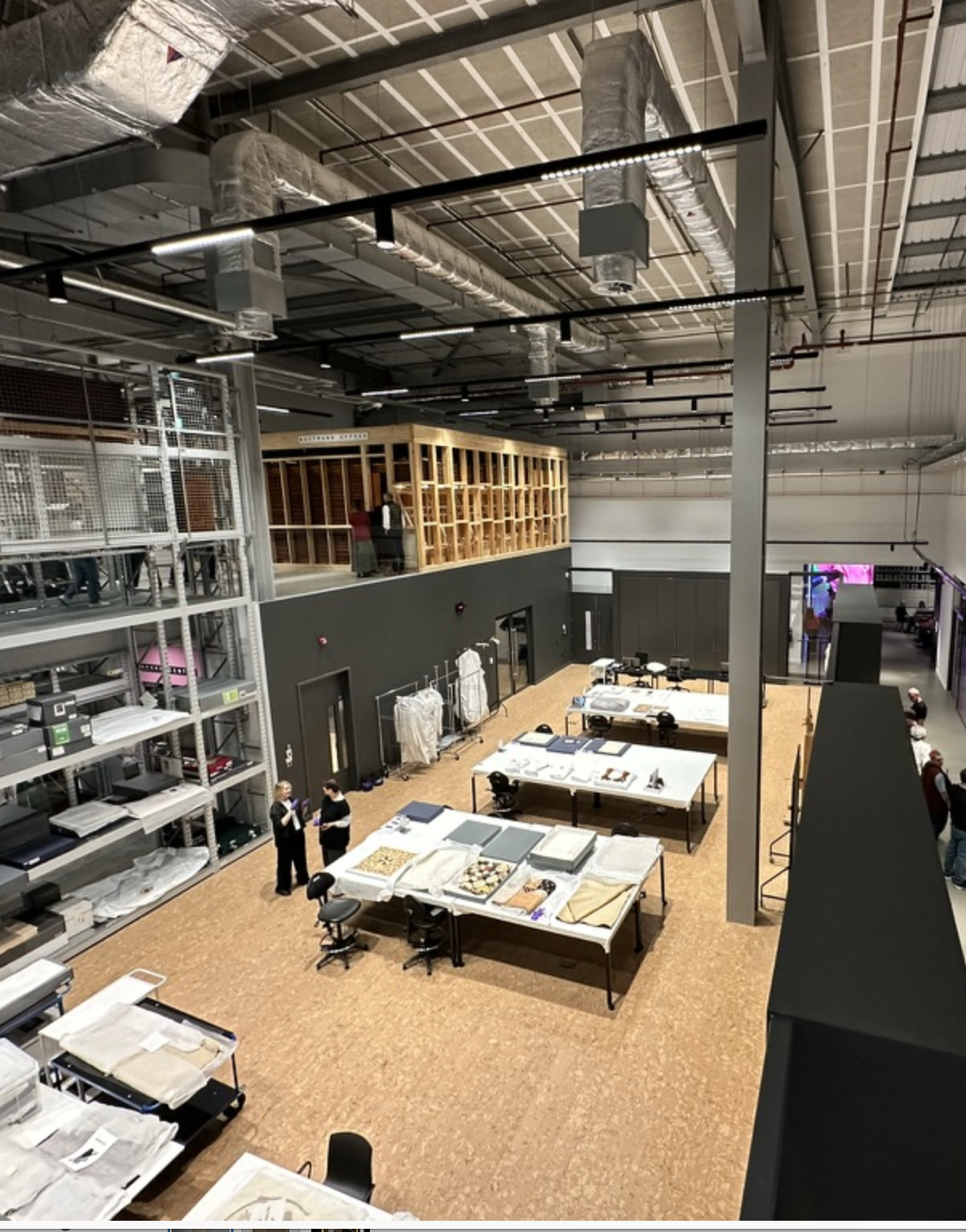
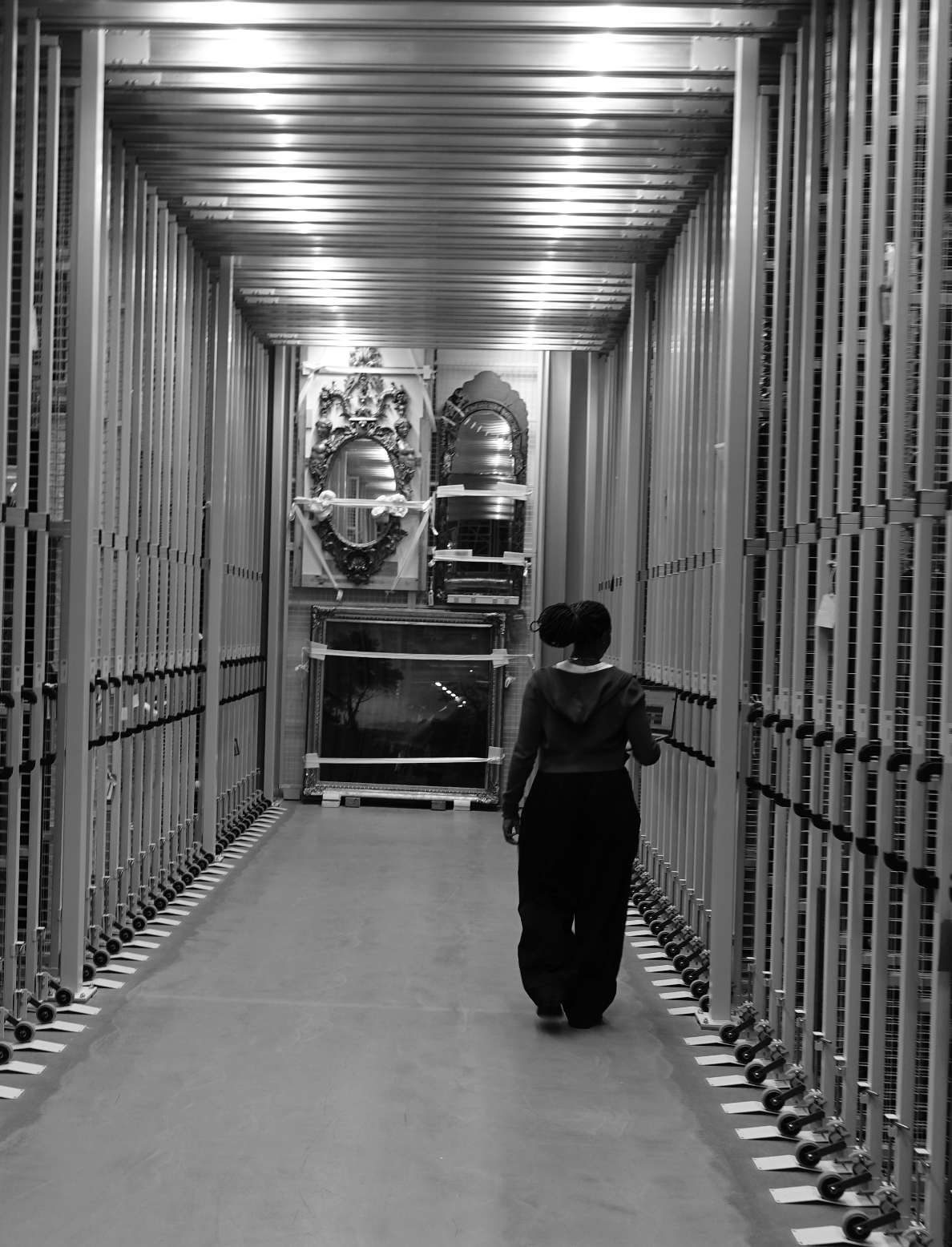
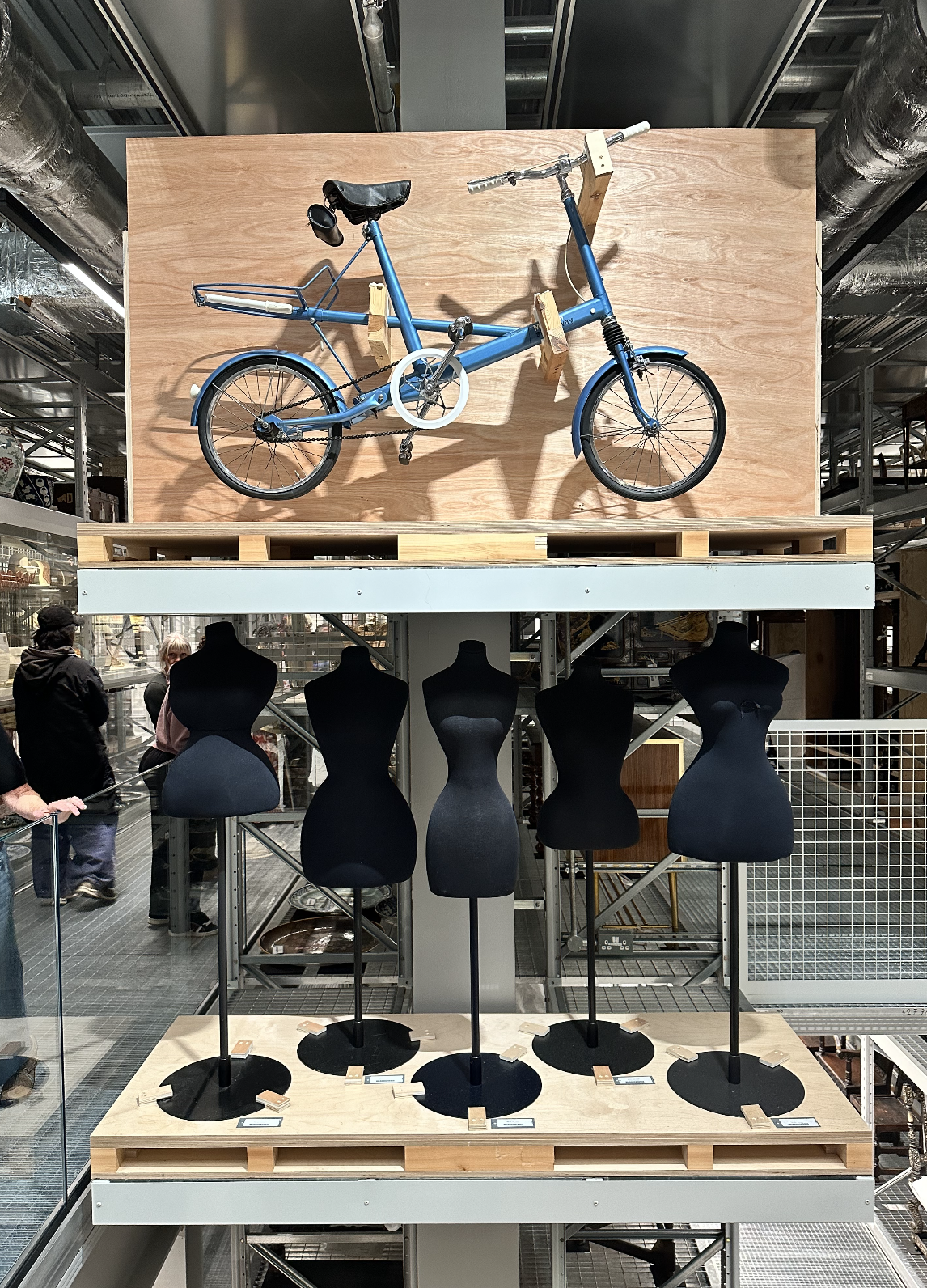
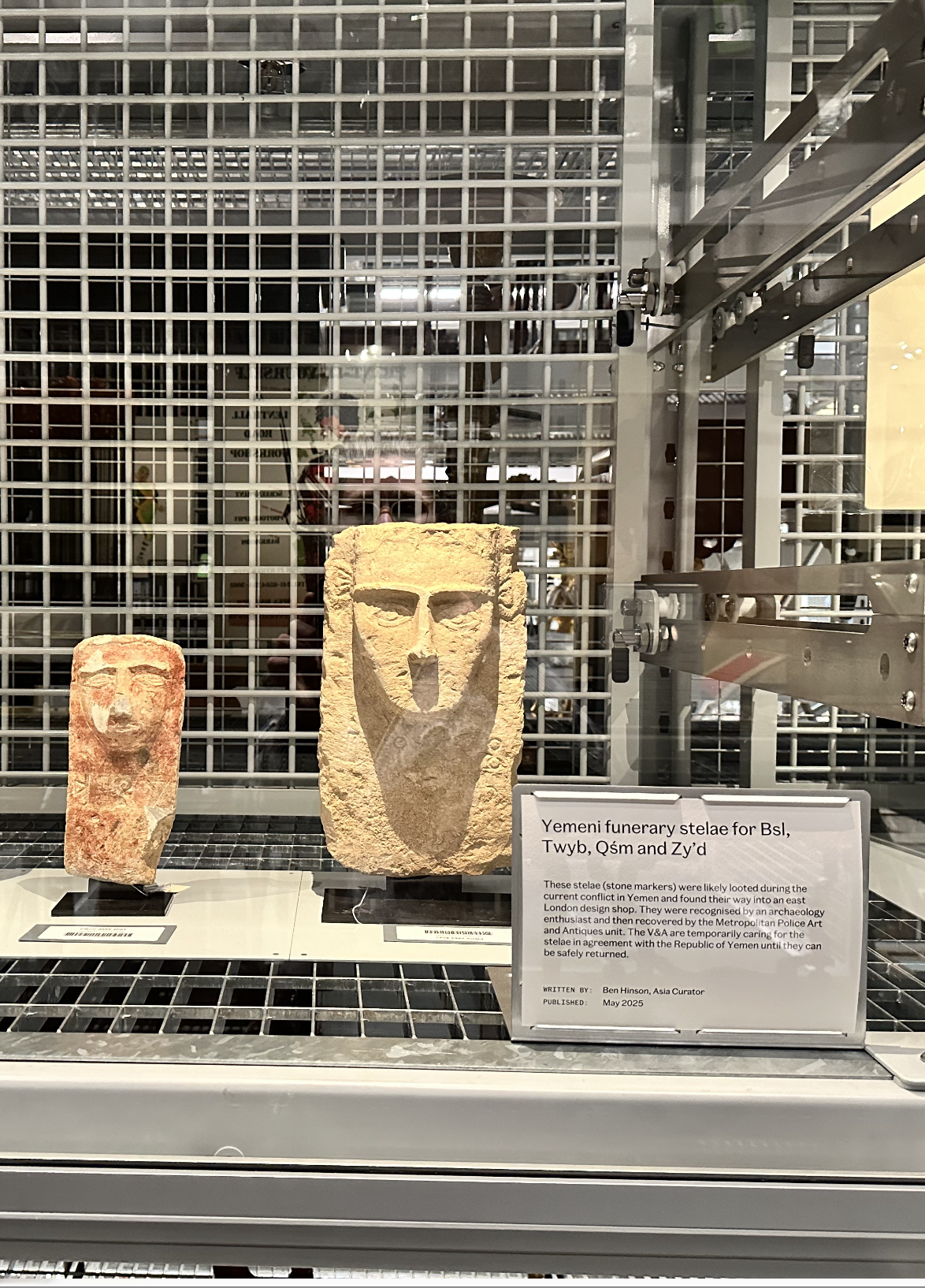
Transkript Bonus Episode III
Imagine a museum where you could walk into a storage containing a quarter million objects. Where you could browse freely, select what interests you, and examine it up close. This isn’t science fiction. It’s the Victoria & Albert East Storehouse in London. And it’s asking an interessting question: what happens when we give people complete freedom to choose what they see?
In early fall, I visited this new museum in East London. The V&A East Storehouse is a radical reimagining of what a museum can be. It is far more than a storage facility, it ’s a bold declaration about the future of cultural heritage. Here, the public can access and interact with museum collections in ways previously unimaginable.
This idea wasn’t entirely new. In 2021, the Boijmans van Beuningen Museum in Rotterdam pioneered a similar concept. Their Depot opened to the public. The V&A East follows in those footsteps, but on a grander scale. And it heralds a paradigm shift.
At the museums core beats the heart of what its architect Liz Diller calls „curated transgression.“ She envisions the Storehouse not as a static archive, but as a place where visitors become curators. You can browse freely. You can sample what interests you. You stand face-to-face with the objects themselves.
The traditional museum model has been inverted. Public galleries at the forefront. Private storage hidden away. Here, it’s reversed. The public is thrust into the heart of the collection. Conservation and research unfold on the periphery. Still visible. Still part of the living story.
The scale is staggering. Sixteen thousand square meters. A quarter million artifacts. Three hundred fifty thousand books. All in one space. To immerse yourself in this space is to feel the weight and wonder of history. To sense the millions of stories rising from every shelf. And then there is the masterstroke: the „Order an Object“ service. With a few clicks, anyone, anywhere in the world, can browse the V&A collection online. Select up to five objects. Arrange a private viewing at the Storehouse. It’s a simple but revolutionary act. It transforms the visitor from a passive observer into an active participant in the life of the museum.
So I decided to use their service. I’d just returned from Cologne. So I selected three objects from the Rhineland region, from three different centuries.
In the museum’s viewing room, I found them arranged on a simple white table. Armed with a magnifying glass, I examined them. The first impression was awe.
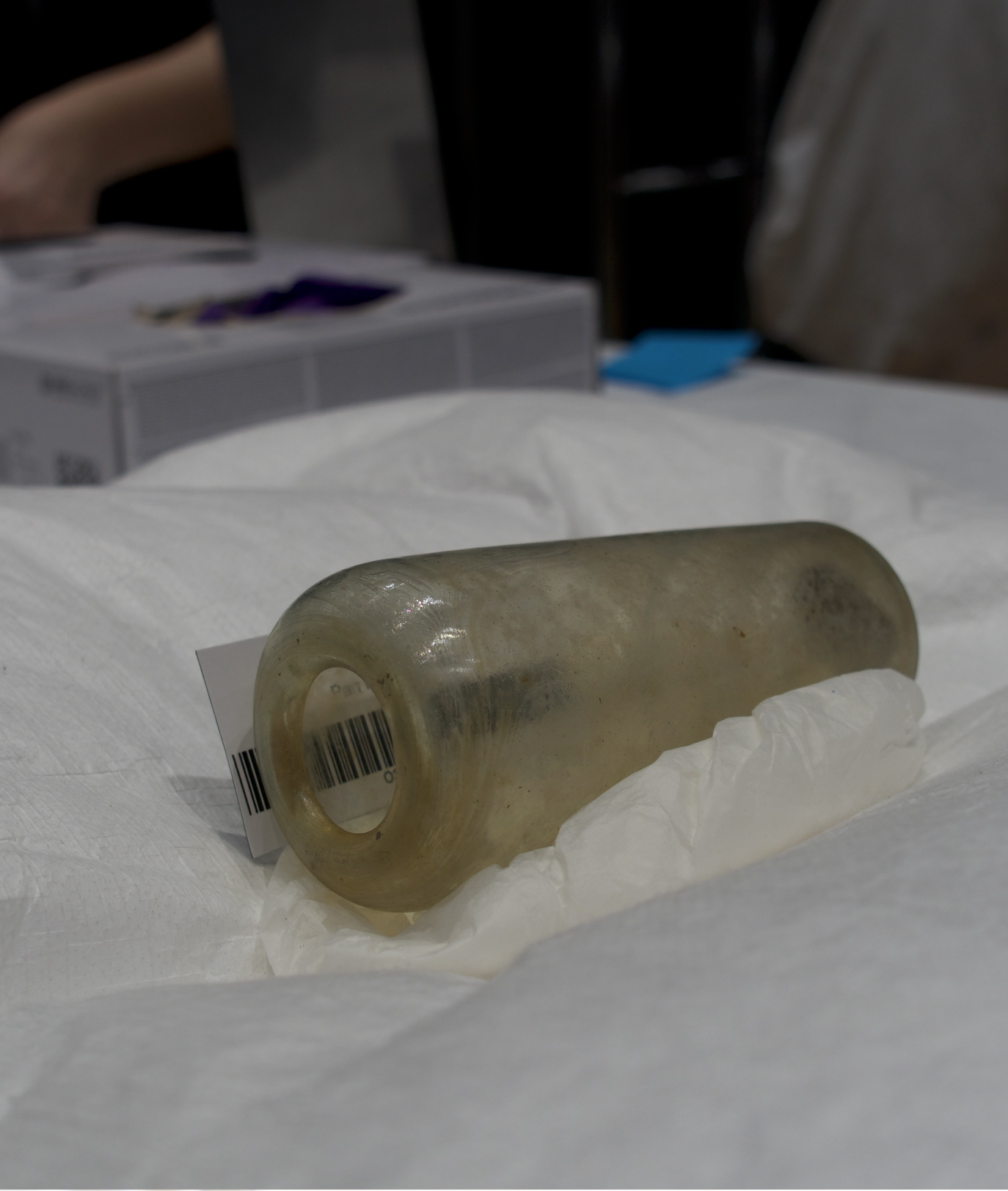
First, a Roman glass jar. Third or fourth century. Forged in Cologne, at the frontier of the Roman Empire. The glass is pale green, almost translucent. Holding it, you feel the weight of nearly two thousand years. This small object survived empires. It crossed continents. And here it was, in my hands.
Next, a fragment of Byzantine (Bisantin) silk. Eighth to tenth century. Discovered in a Rhenish church. The silk tells a story of trade routes stretching all the way to the Silk Road. Imagine the hands that touched this fabric. The merchants who carried it across continents. The distances it traveled. All preserved in this delicate weave.
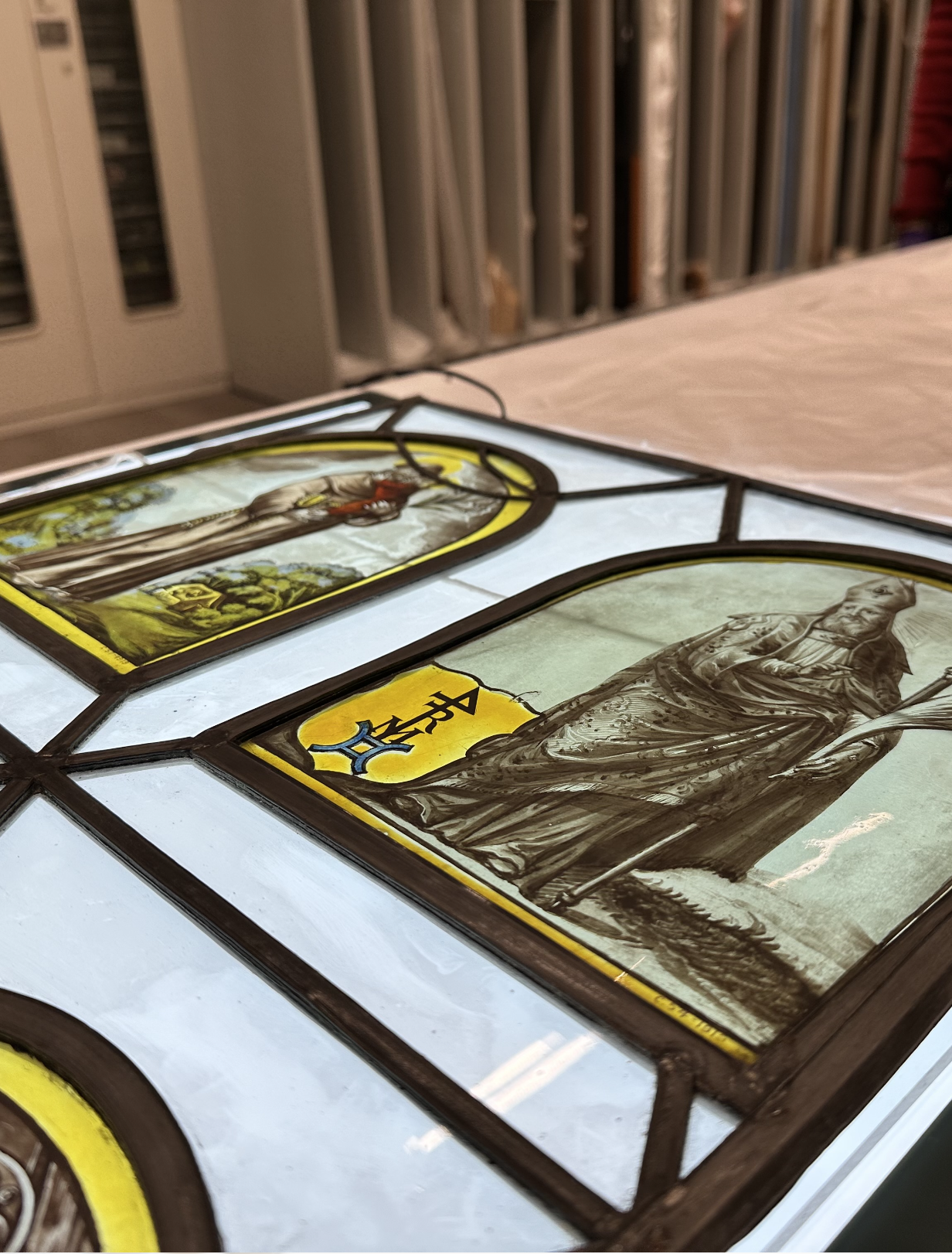
Finally, a stained-glass panel from the seventeenth century. St. Michael overcoming Satan. The colors are vivid. Deep, reds, golds. It reflects the fierce religious conflicts of the Reformation and Counter-Reformation. You can see the passion in every brushstroke. The conviction in every color choice.
Three objects. Three centuries. Three stories. Together, they reveal the Rhineland as a cultural crossroads. A place where ideas, trade, faith, and art converged. Each object is a precious facet of the region’s ever-evolving history.
But as I stood in that magnificent space, something unexpected happened. A thought crept in. And I couldn’t shake it.
The space reminded me of something. Something I’d seen before. It reminded me of photographs of vast Amazon warehouses. Enormous industrial spaces. Endless shelves stretching into the distance. Thousands of products, all catalogued, all waiting to be ordered. Once it took root, this comparison refused to be shaken. The V&A East, in its laudable mission to democratize access, seems to inadvertently echo the logic of the digital marketplace. It presents a seemingly infinite catalogue of cultural goods. And its brilliant „Order an Object“ service positions the visitor as a consumer. Browsing a celestial menu of history and art.
We are invited to become the architects of our own experience. But is this true intellectual freedom? Or merely (mireli) the illusion of it? Played out within a vast, albeit beautiful, warehouse?This raises a crucial question: May we lose something essential when we dispense entirely with the guiding hand of the curator? Curation is far more than just selection. It is an act of intellectual and narrative construction. Curators introduce us to subjects we didn’t know we were interested in. They push us into unfamiliar intellectual and aesthetic territory. The greatest moments of learning rarely occur within the comfortable aisles of our existing interests. They happen when we are confronted with a perspective that we didn’t consciously choose. A perspective that is not our own.
The V&A East’s model is a necessary antidote to the elitism that has long haunted the museum world. But doesn’t this radical embrace of the individual actually champion a form of cultural consumerism? If we’re only ever choosing what we already want to see, are we really expanding our horizons? Or are we just getting better at finding more of the same? Sometimes, the most rewarding journey is the one we are guided on. Or even pushed into. A path that leads us to destinations we never knew we were looking for. And maybe that’s what we have lost in our rush to democratize everything. The willingness to be surprised. The willingness to be challenged. The willingness not to be in control.
A quiet question mark hangs in the air of this remarkable space. A reminder that the path to true knowledge is not always a matter of personal selection. And that sometimes, the most radical act is not giving people what they want. It’s giving them what they might need.
____
Texts by Charlotte Desaga.
Semi-automatically translated.
Images from our private archives.