Art Unquoted Notes
A personal essay by Esenija Bannan
In this solo episode, Esenija Bannan reflects on her first visit to Seoul, from writing about JeeMin Kim’s work at Hwigyumjae to Frieze Seoul and the city beyond the fair. A personal journey through art, attention and what remains unread.
 Available on Apple Podcasts & everywhere else — or right here ↓
Transkript Back when the tigers used to smoke
Someone in Seoul told me a phrase that has stayed with me ever since: “Back when the tigers used to smoke.” It is used a little like “once upon a time,” or “a long time ago.” I loved the image immediately. It sounded playful, vivid and slightly surreal.
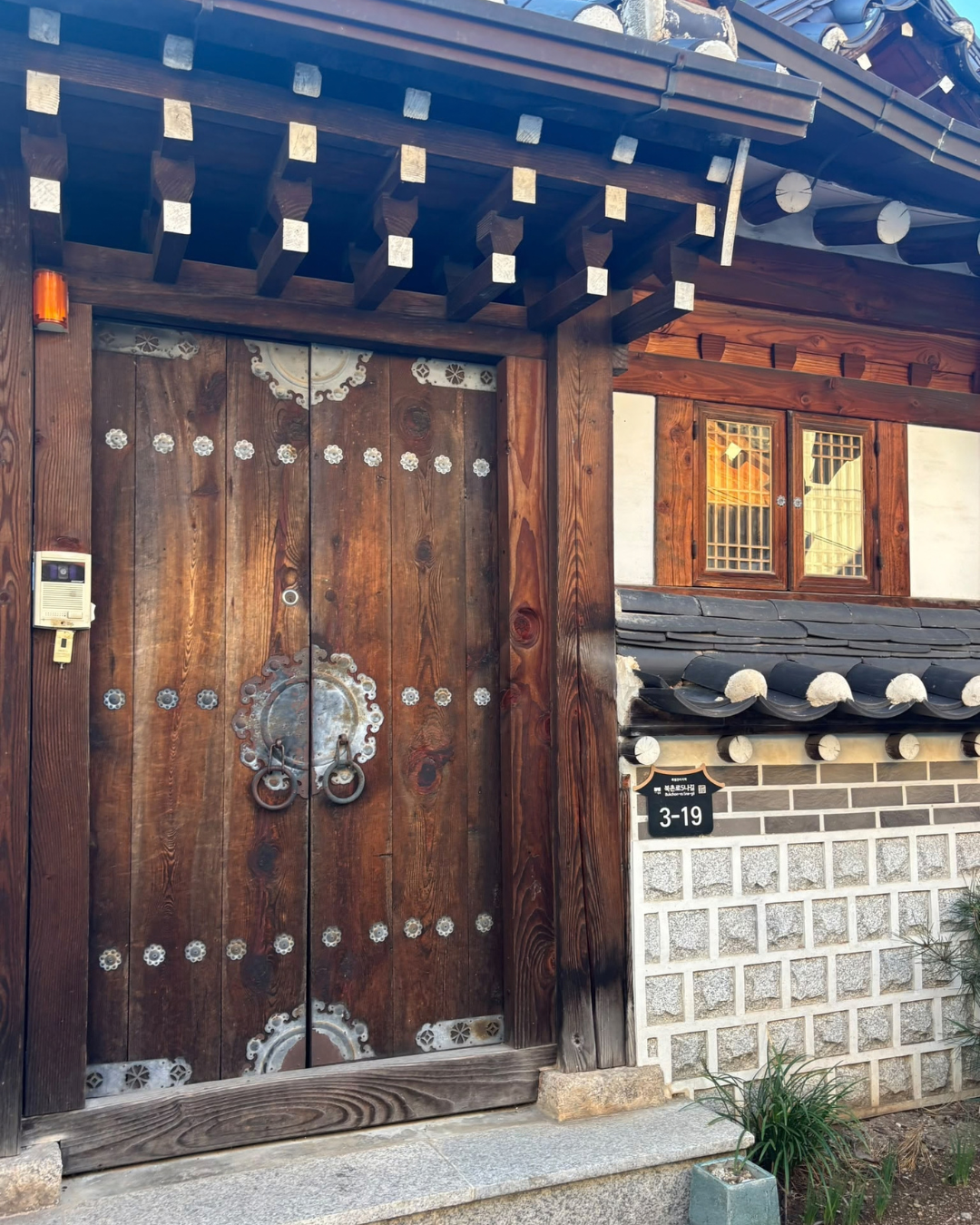
I had arrived in Seoul with a suitcase, a catalogue essay and months of conversations already in my mind . But the city began to feel real only when I stepped into Hwigyumjae, a historic hanok in Bukchon.
Wood, courtyards, shadows. It was the first place I entered, before Frieze, before the convention centre, before the speed of the art week. The house seemed to hold time differently. It did not ask to be rushed through. It asked you to notice how light moved across a wall, how a sound settled in one room and then travelled into another.
My first connection to Seoul had begun from afar. Daehyung Lee, the director of Hzone, had invited me to contribute an essay to the catalogue for DIALOGUE: Unread, an exhibition bringing together ten contemporary artists at Hwigyumjae. Before travelling, I had spent months in conversation with one of the artists, JeeMin Kim, and writing about her work.
This was the reason for my journey. Seoul had entered my life through Zoom windows, catalogue pages, notes and images on a screen. Then, suddenly, I was there, walking into the exhibition itself.
JeeMin Kim’s Prototype Temples bring painting, sound, movement and fragments of memory into temporary worlds. Her works begin with drawings and paintings, but they develop into installations that are part stage, part interior and part imagined landscape. There are shifting lights, kinetic elements and composed sounds. Bells, rain, footsteps and voices become part of an atmosphere rather than a narrative with one clear beginning or end.
Kim draws on memories of growing up in Seoul and later living in London. But she does not turn these memories into illustrations. They become fictional scenes, suspended somewhere between the intimate and the unfamiliar. Her work allows the past to remain open. It can appear personal, abstract or strangely collective, depending on what each visitor brings to it.
At Hwigyumjae, I understood something that I could not understand while writing from Berlin . The house was not a neutral container for the work. Its wood, courtyards and shadows altered the rhythm of looking. In the dim light, with sound moving through the rooms, I kept noticing moments of stillness. The installations did not simply occupy the house. They entered into a conversation with it.
The exhibition’s title, DIALOGUE: Unread, stayed with me as well. It suggested signals that arrive but are not immediately understood, and emotions that cannot be translated at once into language. That felt close to the experience of entering a city for the first time. You arrive with knowledge, expectations and images, but much of what matters is still unread.
Frieze did not create Seoul’s contemporary art scene. Long before the fair arrived, artists, institutions and exhibitions had already built a rich international conversation that continues to shape the city today. Frieze is one contemporary moment within that much longer history.
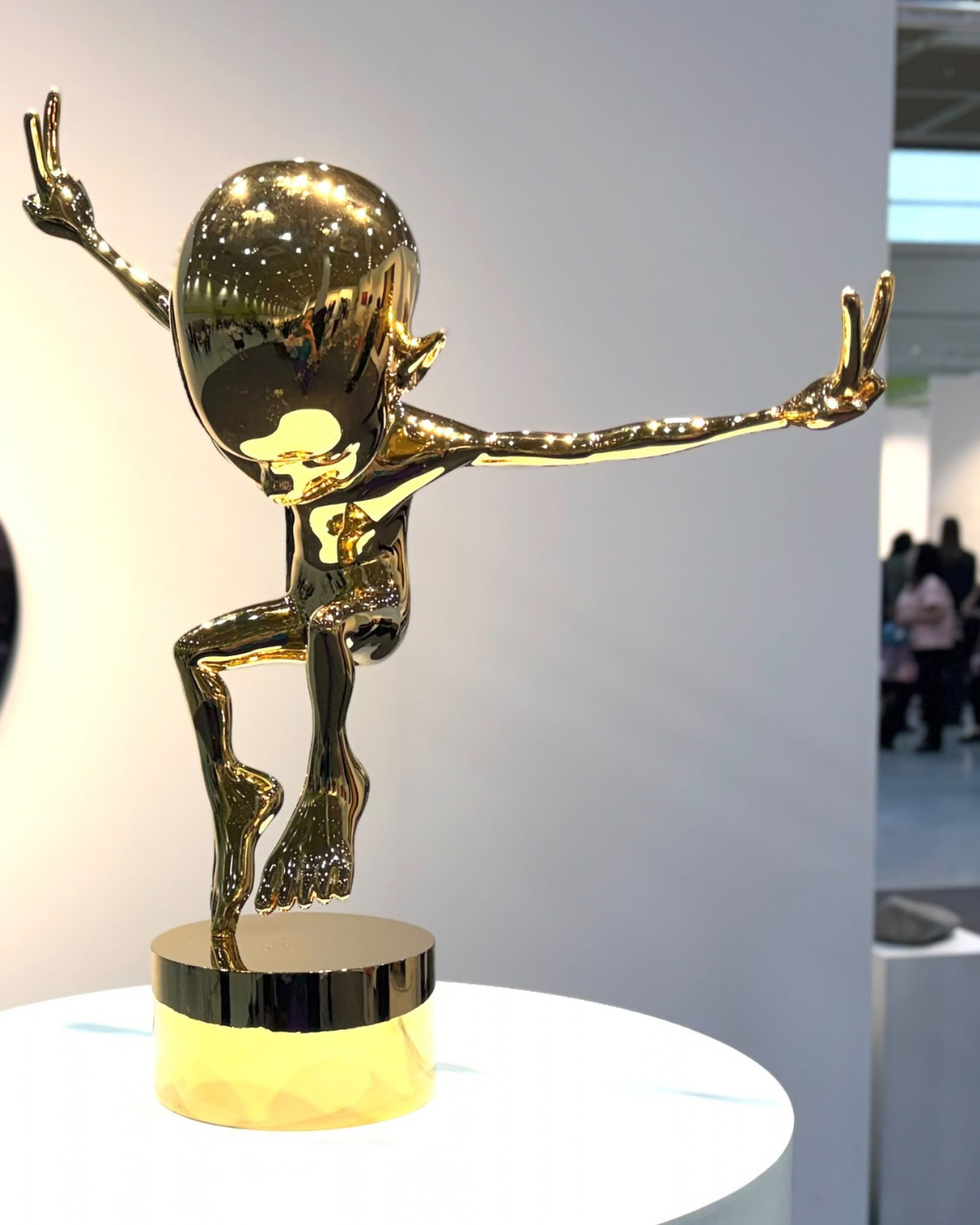
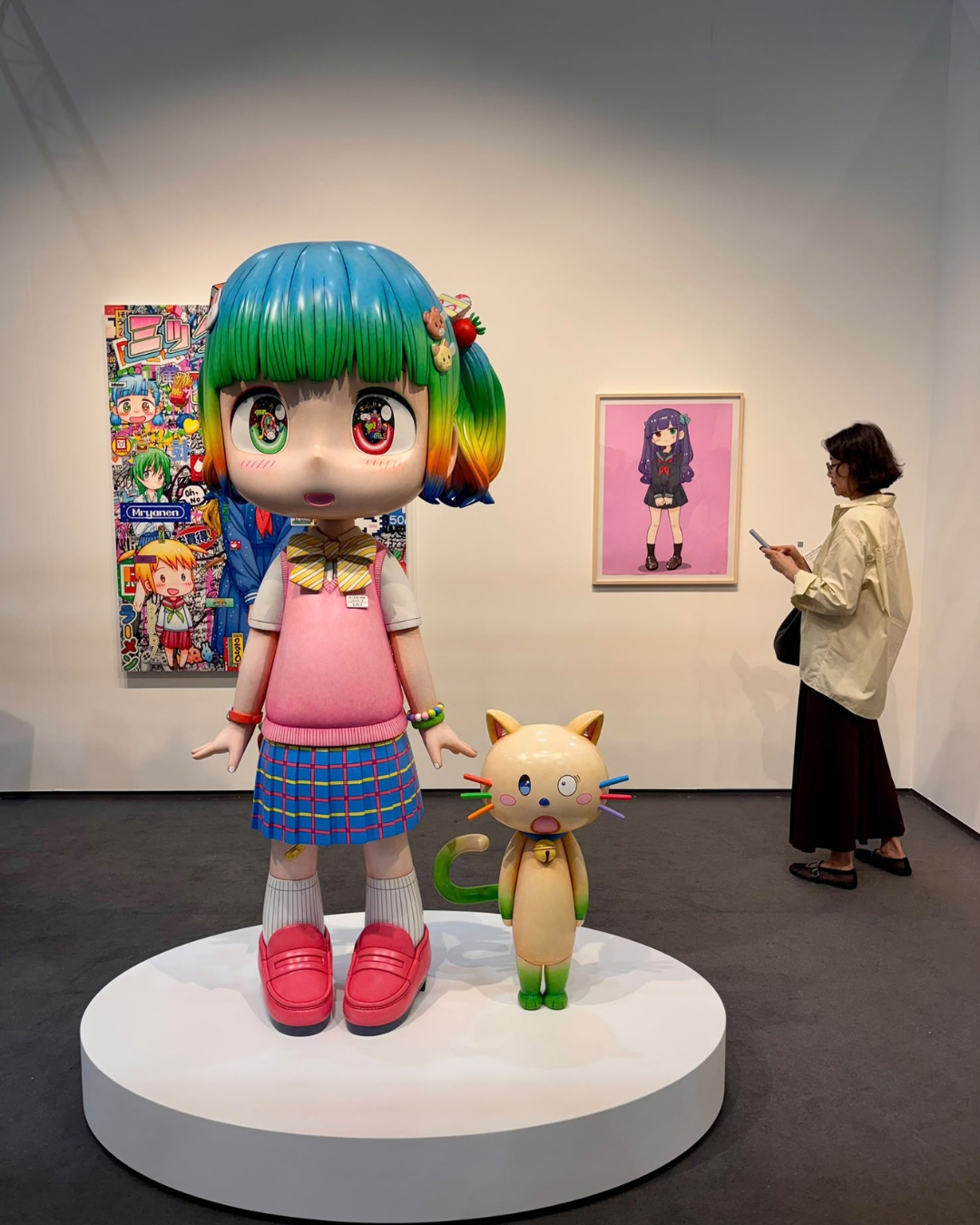
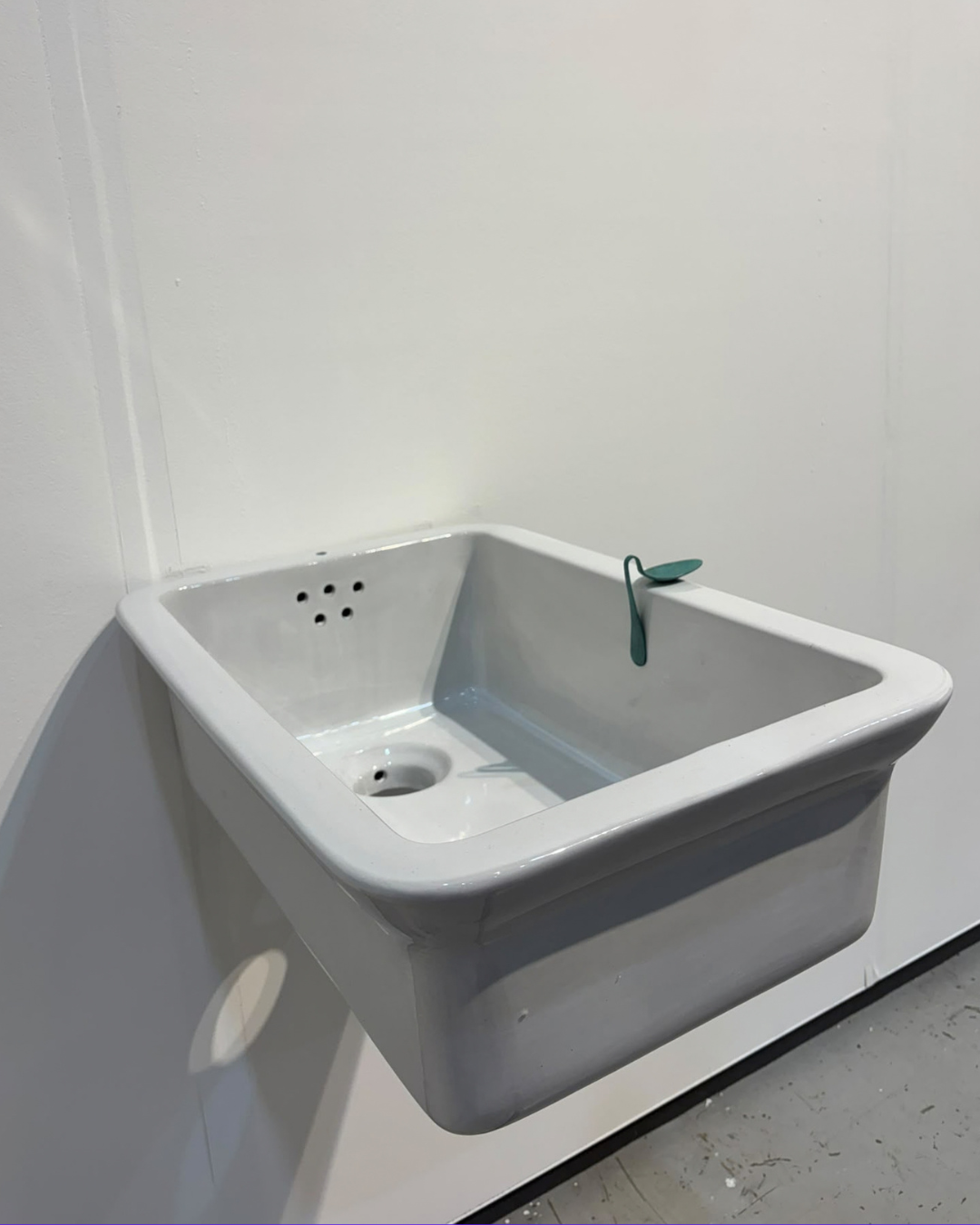
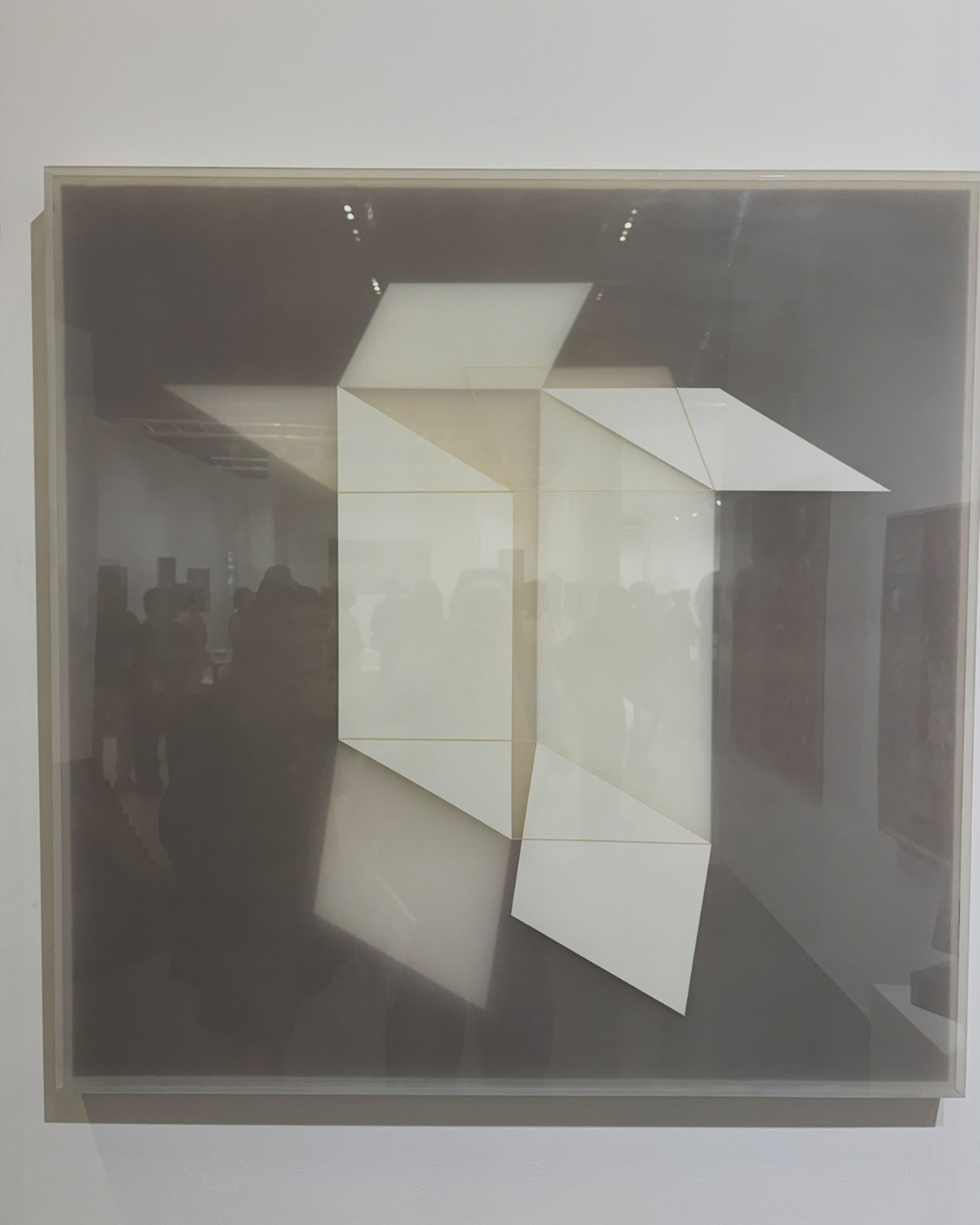
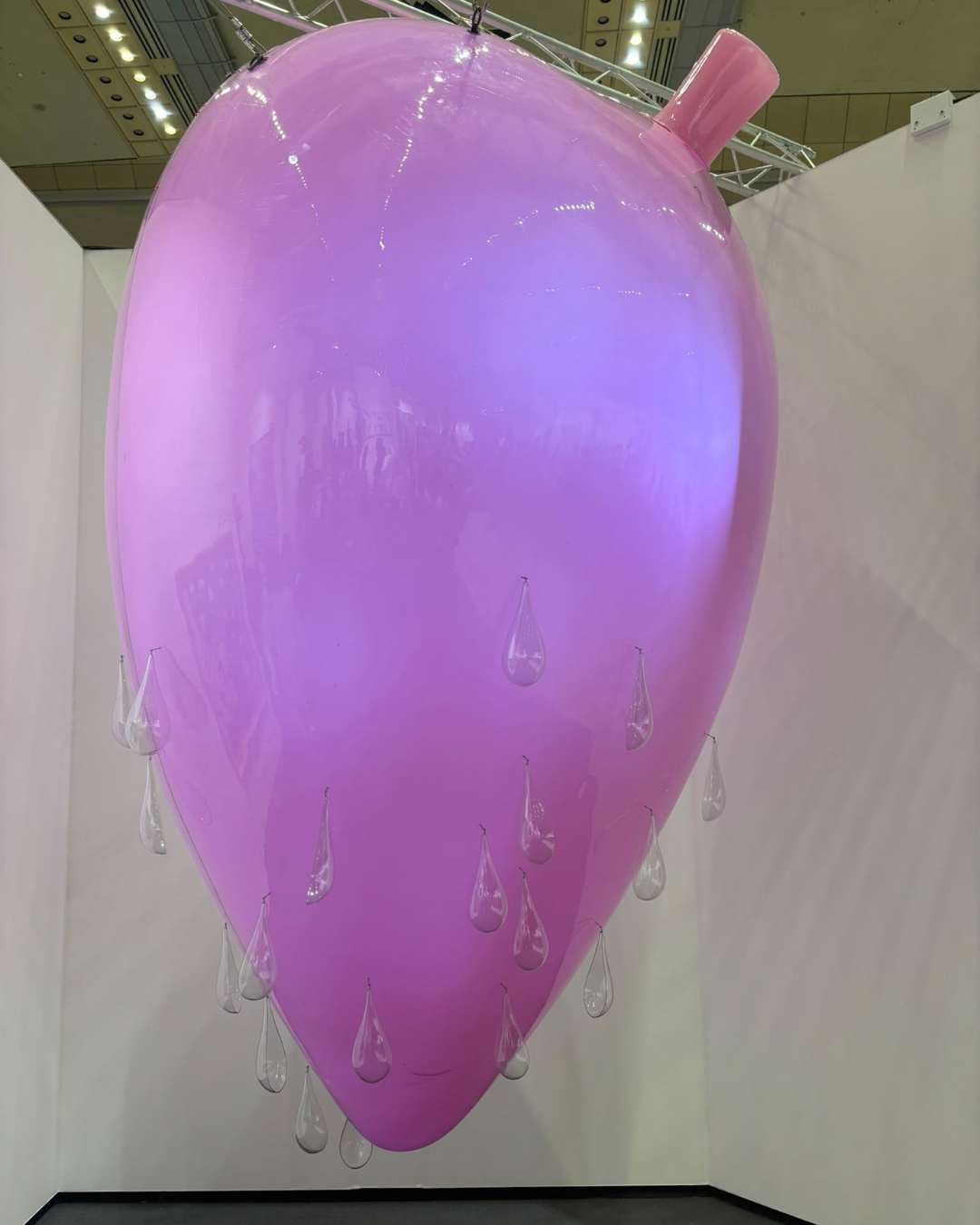
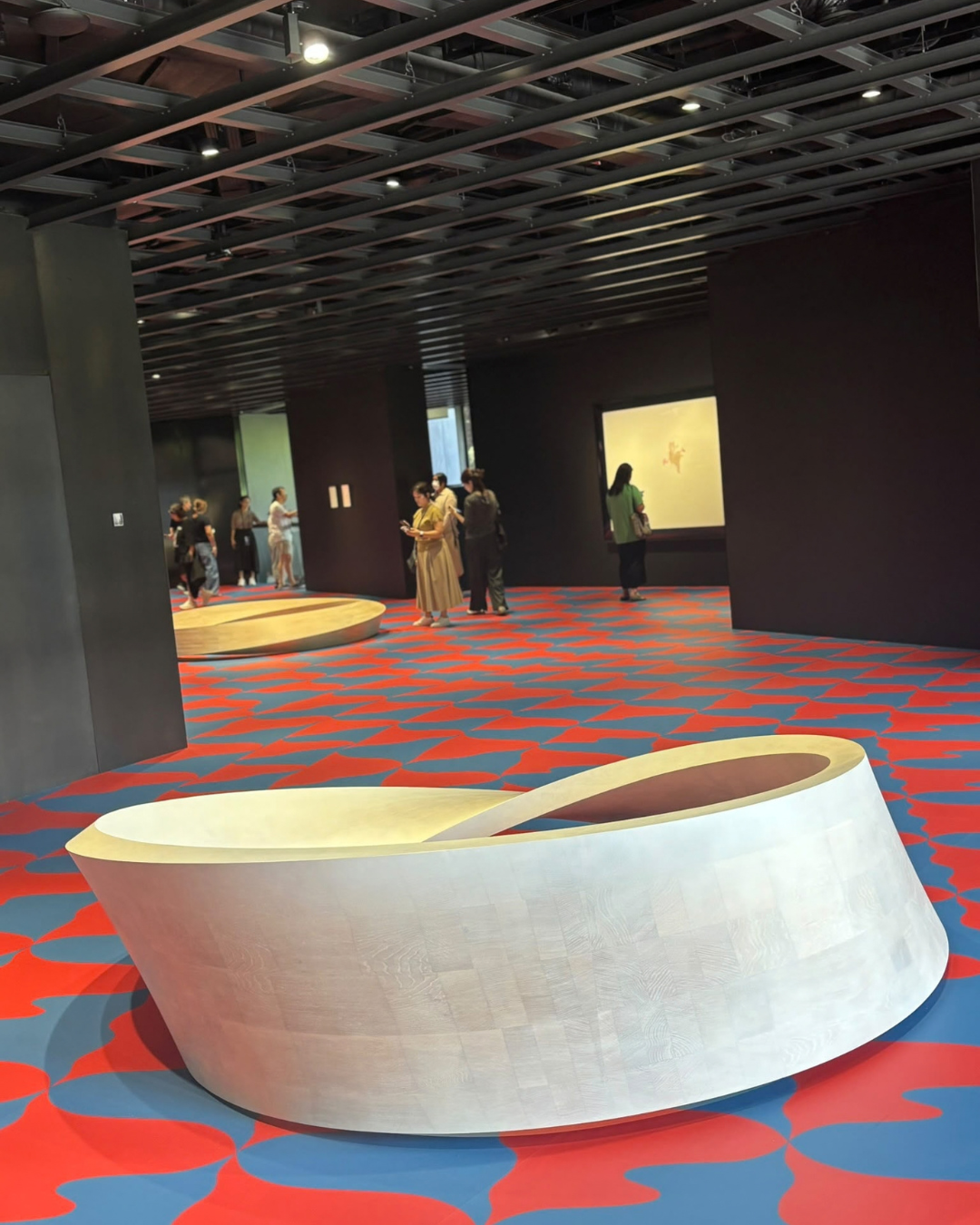
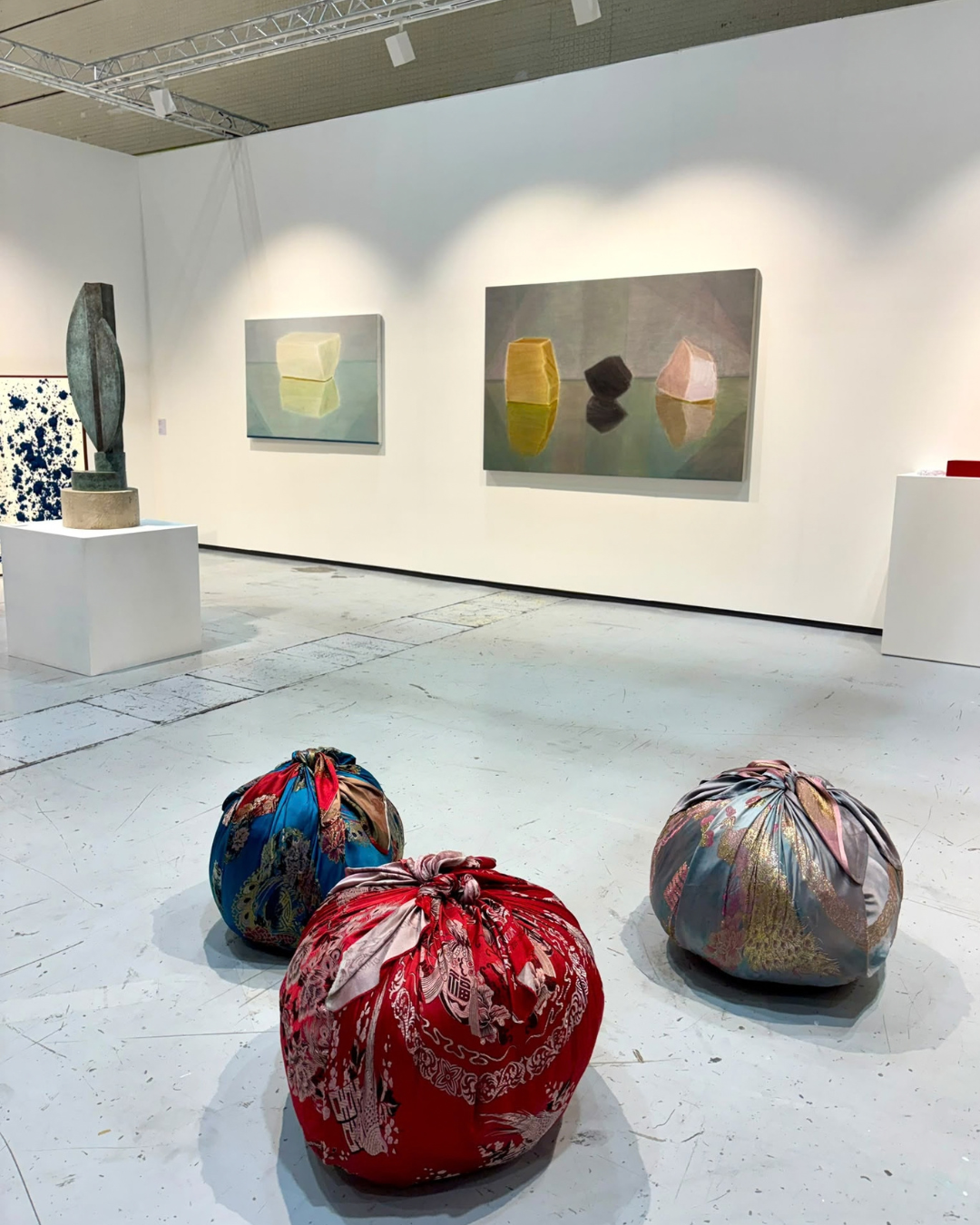
Yet it gave that moment a particular intensity. A few days after visiting Hwigyumjae, I was walking through Frieze Seoul at COEX, surrounded by galleries, collectors, screens, conversations and movement. The contrast could not have been sharper. From a house of wood and shadows to a vast convention centre built for circulation, visibility and exchange.
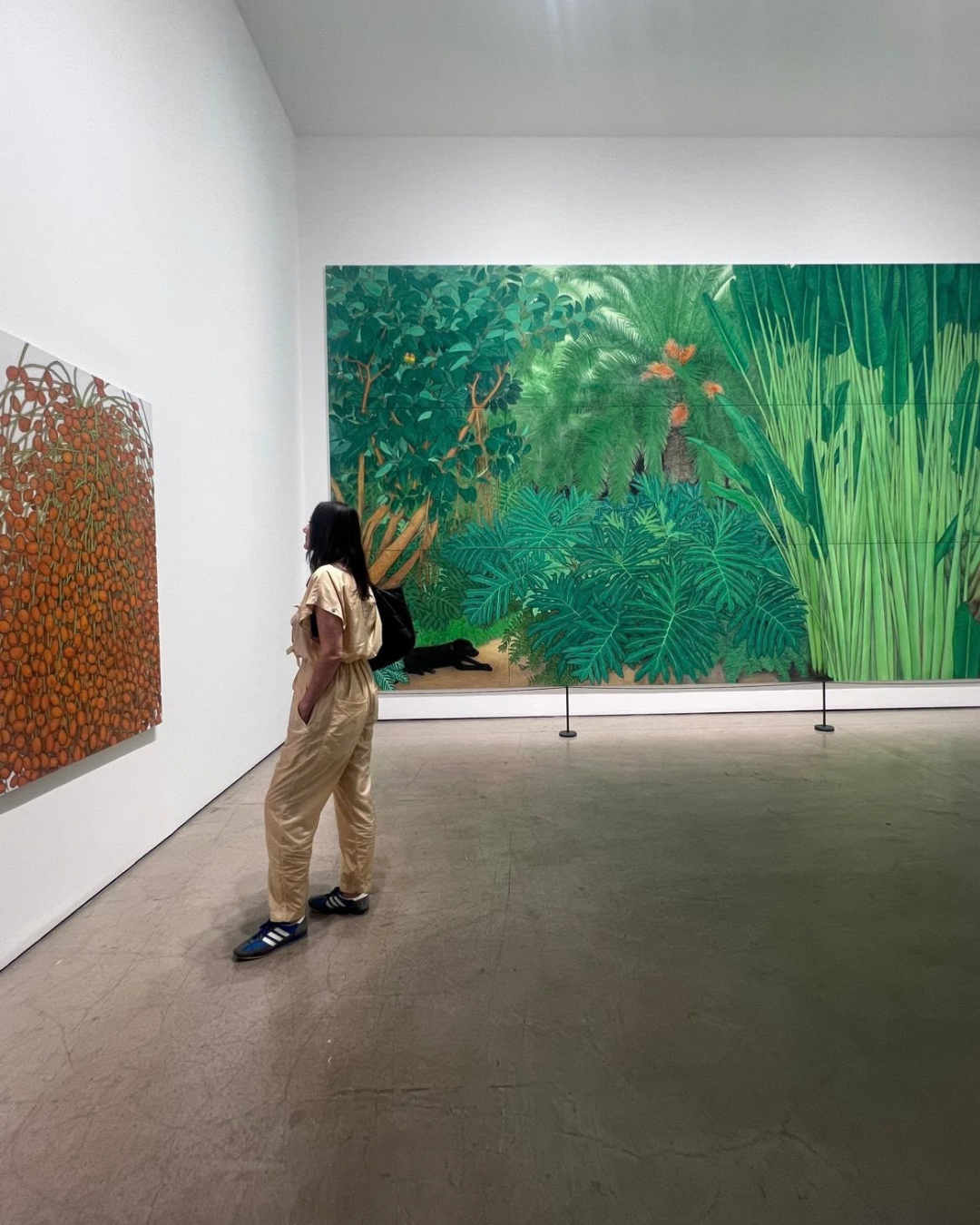
I went with a filmmaker from Los Angeles. It was her first visit to Seoul as well. We were not there to follow every sale, or to identify the most important name in the room. We wanted to see what happens when you enter a place with open eyes and allow it to surprise you.
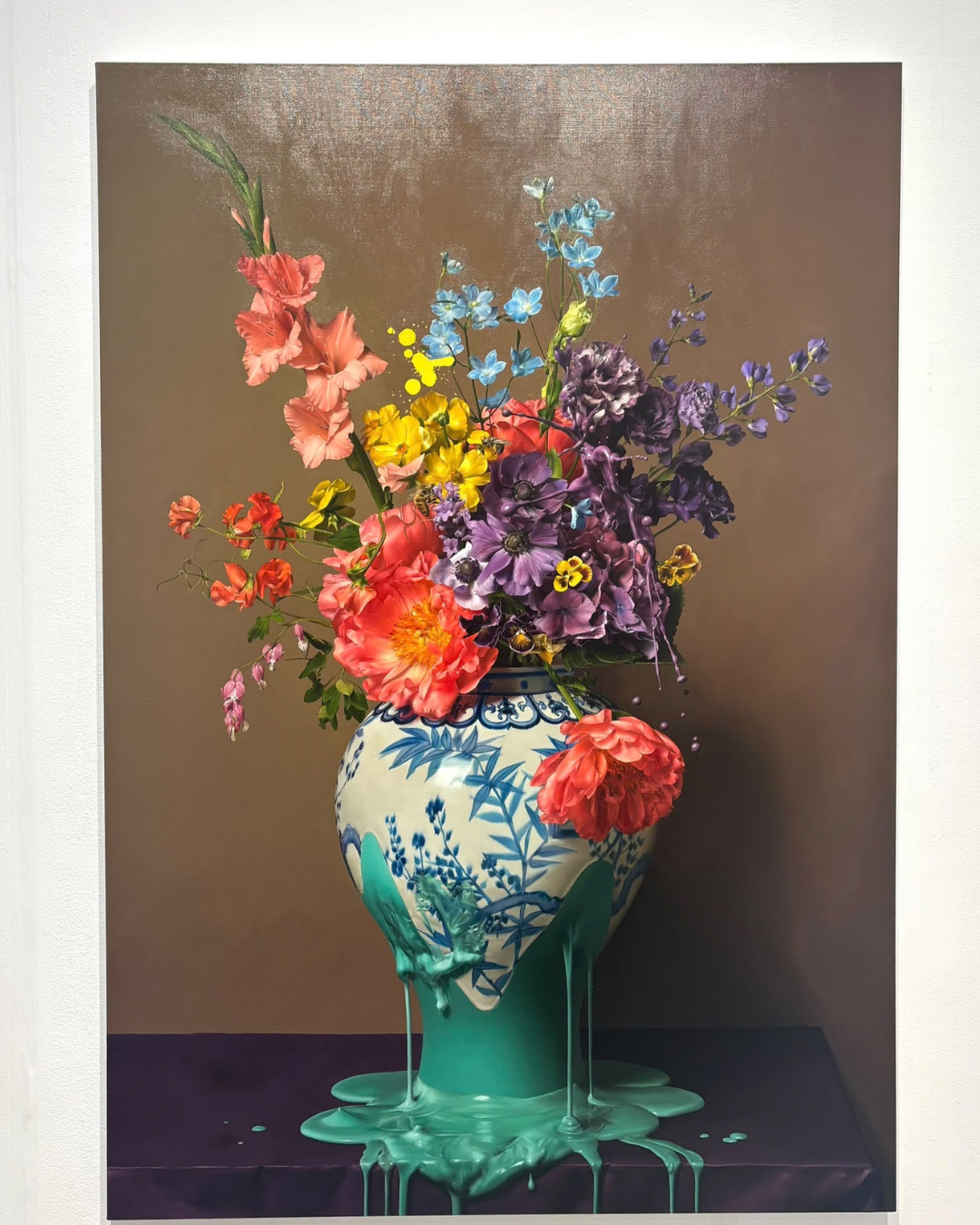
The fair felt light, but dynamic. It was compact, busy and full of a sharply dressed crowd. Young collectors, artists, gallery teams and visitors moved between the booths with remarkable energy. Fashion was part of the picture, of course, but so was attention. People moved quickly through the aisles, yet in front of a work, the pace could suddenly slow down. A conversation could begin. Someone could stop, look again and stay a little longer.
That is one thing I value about art fairs, despite all their inevitable commercial pressure. They concentrate people, ideas and images for a short period of time. They can make an encounter possible. But I also wanted to see what happened beyond the fair itself.
Frieze Week did not end at COEX. One evening led us to Euljiro, where artist-run and non-profit spaces opened their doors. The energy was different there. The pace was less choreographed, the scale more intimate. It was a reminder that the city’s art scene cannot be reduced to the fair, its booths or its market.
During the week, galleries and institutions across Seoul also stayed open late. The programme extended through neighbourhoods including Hannam, Cheongdam and Samcheong. I do not want to turn this episode into a list of places. What stayed with me was the movement itself: from one district to another, from the established to the independent, from rooms designed for selling to rooms made for testing an idea.
It would be too simple to say that biennials are about culture while art fairs are only about the market. They are not the same, and they should not be treated as such But during a concentrated week like this, their boundaries can become porous. A fair can be a market. It can also become an occasion for a city to open doors, for audiences to make discoveries and for conversations to travel beyond the convention centre.
For me, that was the real value of the journey. I did not come away believing that I understood Seoul’s art scene in its entirety. That would be too easy after one first visit. But I left with a clearer sense of how an art scene is made. Not by one fair, one institution or one audience, but by different places, speeds and forms of attention existing beside one another.
I had arrived with many stories already in my head. I left with the feeling that the more interesting ones were still unread. And now while recording this episode which is just a few days later after I returned and my jetlagged subsided, my Voyage feels like Back when the tiger used to smoke.
____
Voice & texts by Esenija Bannan.
Images from our private archives.