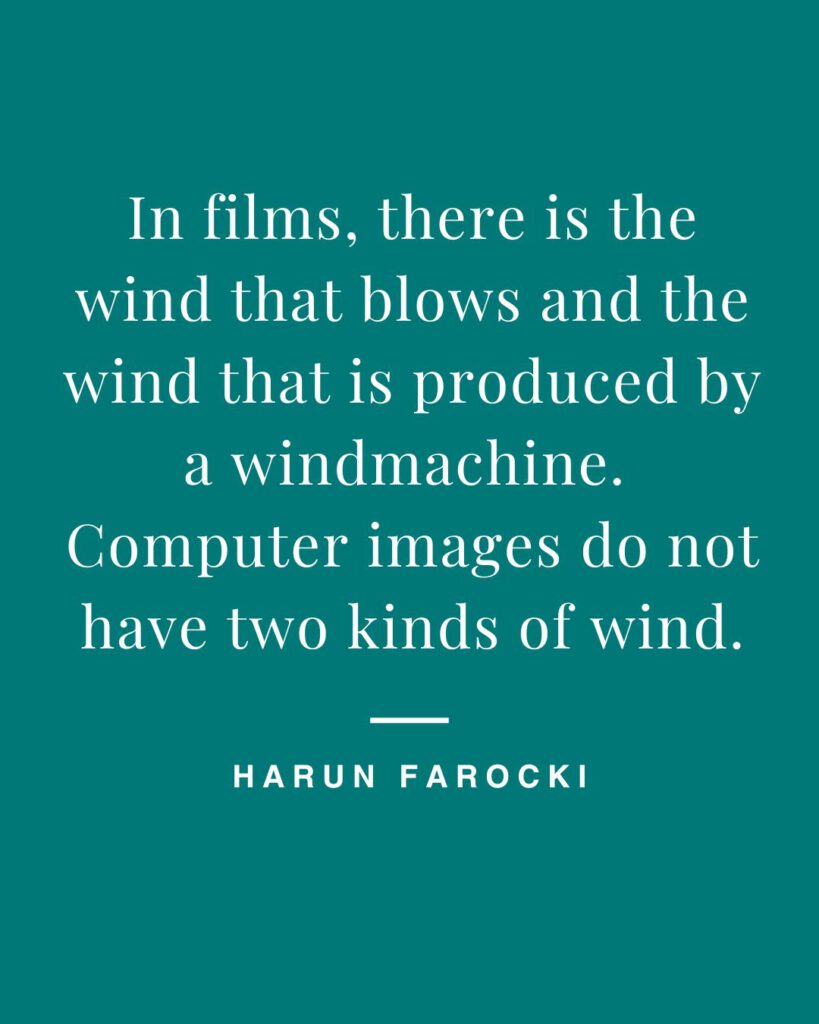
„Scrap metal into gold, stigmatized labour into prestigious labour, incapacity into invention. “ – Selma Selman
Charlotte Desaga and Esenija Bannan explore Selma Selman’s paintings, performances and material language. From scrap metal to family history, her work asks how value is made, whose labour is seen and what remains when art refuses to smooth over its conditions.  Available on Apple Podcasts & everywhere else — or right here
Selected works by Selma Selman from our archives
Transkript Selma Selman
EB: Selma Selman was born in Bihać, Bosnia and Herzegovina, in 1991, and trained as a painter. Her family collected and recycled metal to make a living, work that is often socially devalued. Metal was part of her everyday environment. Her father gave her sheets from the scrapyard, and she began to paint on them.
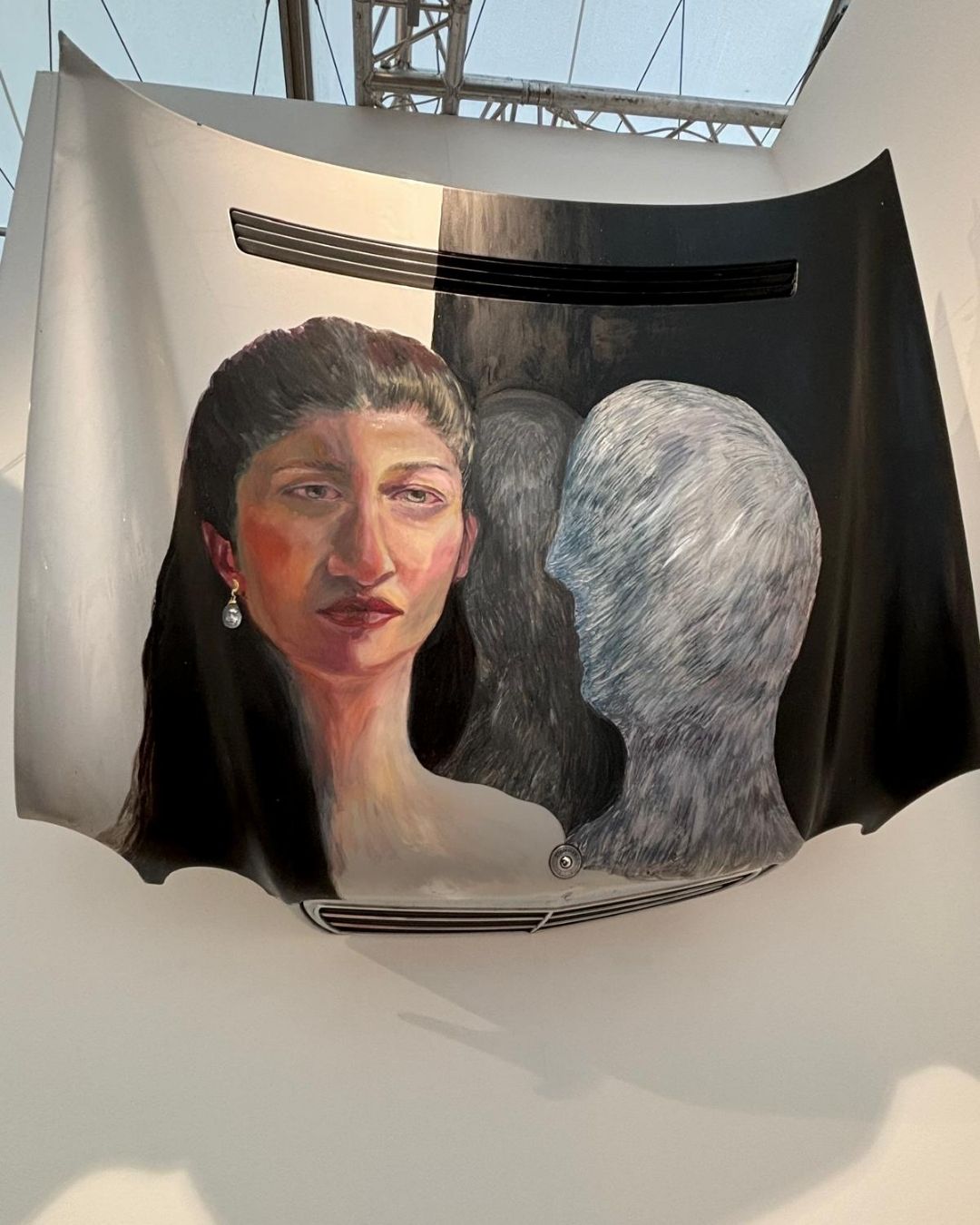
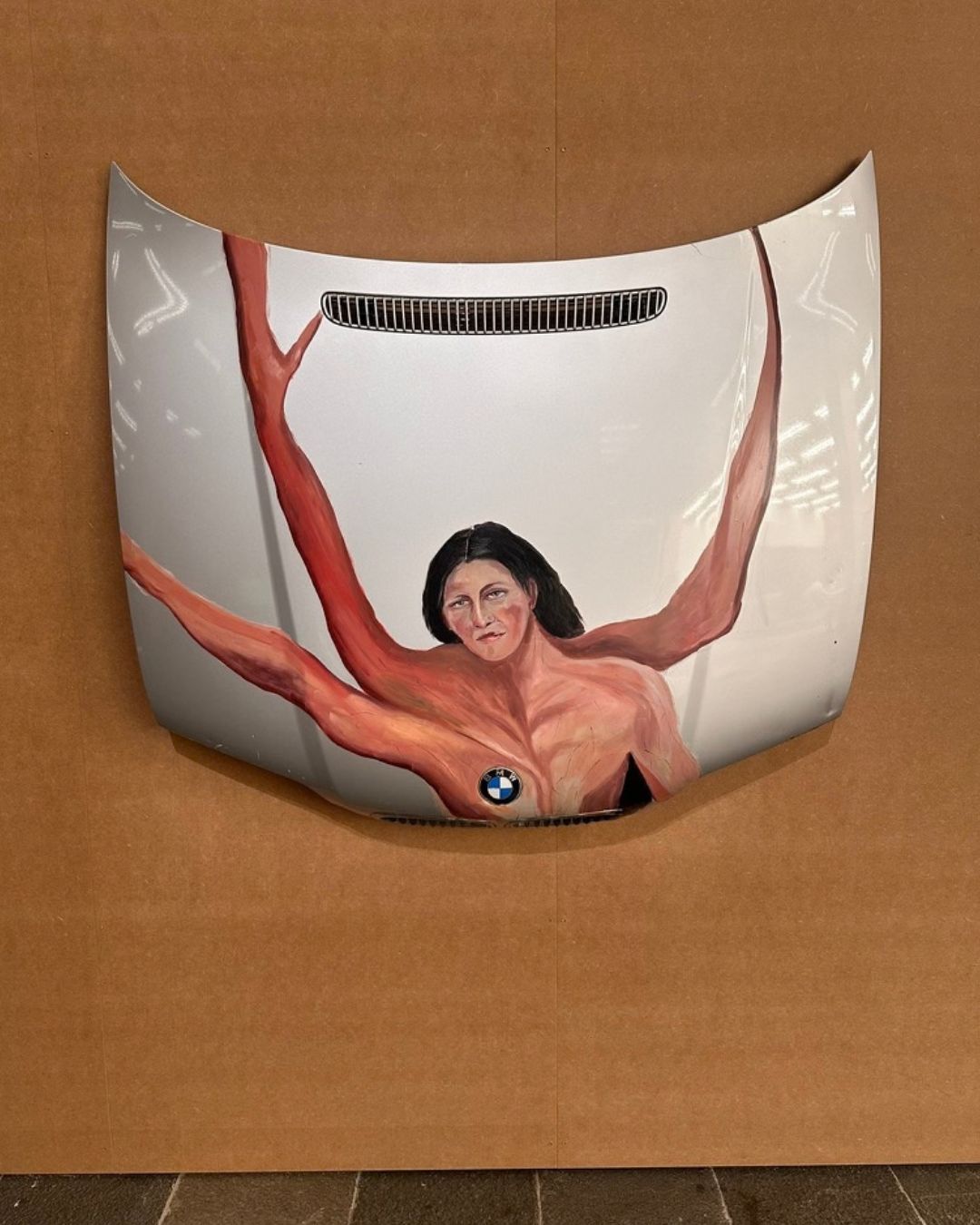
CD: That practical beginning became fundamental to her visual language. I recently saw one of Selman’s painted engine hoods in Vienna. What struck me was how present the metal remained. It did not disappear behind the painted face.
EB: What I find so striking about her portraits is that they can feel intimate, even tender. But the surface never becomes soft. A face painted on a car hood carries the roughness of the material with it.
CD: And despite the slight awkwardness of the figures, they feel very alive. Selman describes this aspect of her practice in a very particular way: “Transformation is at the core of my practice: scrap metal into gold, stigmatized labour into prestigious labour, incapacity into invention.”
EB: It is a strong statement. But it does not promise an easy transformation. The metal does not turn into gold in any literal or symbolic sense. Its past remains present.
CD: Yes. The phrase has something of alchemy about it, but Selman does not offer a fantasy of purification. A car panel enters the gallery with its history intact. Art changes the conditions under which we see it. It does not erase the work, stigma or poverty that made it available.
EB: And that is why “authentic” is too easy a word for her work. It can sound as if an artist merely brings her background into the room. Selman’s directness is made. It comes through painting, performance and a sharp awareness of how institutions look at materials, bodies and stories.
CD: Walter Benjamin once wrote that “the tiniest authentic fragment of daily life says more than painting.” I do not think Selman illustrates that sentence. But it helps name the charge of her material. This metal is not an industrial trophy brought into a white cube from a safe distance. It is a fragment of everyday life, carrying labour, use and social relations into the picture.
EB: Yes, a fragment that is often overlooked and rarely placed in relation to art. Then she paints a face on it. The metal becomes a surface, but it never becomes neutral. The portrait and the panel look back at us together.
CD: Her work returns to growing up in the Roma community in Bihać and to the recurring work of collecting and recycling scrap metal. It raises questions of value and makes them impossible to keep abstract. How do we value a material? Whose work do we see? Whose work do we only notice once it is reframed as art?
EB: That last question is slightly irritating. A car panel from a scrapyard can gain price, visibility and status once it enters a museum. But Selman does not pretend that this move settles anything.
CD: There is a related question in her newer work. When Selman traces her maternal line, the problem is not simply that records are missing. Roma history is often held at the margins of official archives. What remains can be personal, partial and inferred. A fragment can carry a life without becoming proof of the whole.
EB: Her performance Mercedes Matrix makes that tension physical. Selman and members of her family dismantle a Mercedes. It is loud, exhausting and almost theatrical. But it is also work her family knows first-hand.
CD: The work does not stand in for labour. Labour happens there, in front of an art audience. The car is taken apart. Its parts are sorted. Material is recovered. The performance makes its own conditions visible, but it cannot turn them into a clean story of rescue.
EB: You can feel the metal dust. Smell the rust. There are sharp edges and machines. The work does not make any of it presentable for the white walls of an institution.
CD: And another work, Dirt 0, shifts the question again. Selman placed canvases in her father’s transport van to protect it while metal waste was being moved. Dust, liquids and residue settled on the fabric. The canvas became a record of that journey.
EB: I find it a subtle but strong gesture. The van becomes an accidental studio. The journey becomes the image.
CD: The canvas does not illustrate labour. It carries its traces. Its surface becomes a record of movement, transport and contact.
EB: And that changes how I read the portraits as well. They are not only images of people. The material brings other bodies into the picture: people who lift, drive, collect, recycle and paint.
CD: Selman once said: “I’m not sending general statements through my work. I am showing the path that I follow. This is the work that never stops.”
EB: I believe her. Her works do not ask us to admire hardship from a distance. They ask us to follow the material and notice where it leads: to a family history, to the scrapyard, to a car, to the gallery, to a painted face.
CD: Perhaps that is the deepest transformation in her work. The material changes context, but it does not lose its memory. And the viewer is left with a question rather than a resolution: what becomes visible when art does not smooth over the conditions from which it emerges?
____
Source/Citation quote: “Transformation is at the core of my practice: scrap metal into gold, stigmatized labour into prestigious labour, incapacity into invention.”
Selma Selman, quoted in Krzysztof Kościuczuk, “Selma Selman’s Art Is Dirt-Cheap but Worth More Than Gold,” Frieze, 28 November 2023.
____
Voice: Esenija Bannan & Charlotte Desaga.
Text: Charlotte Desaga.
Images from our private archives.